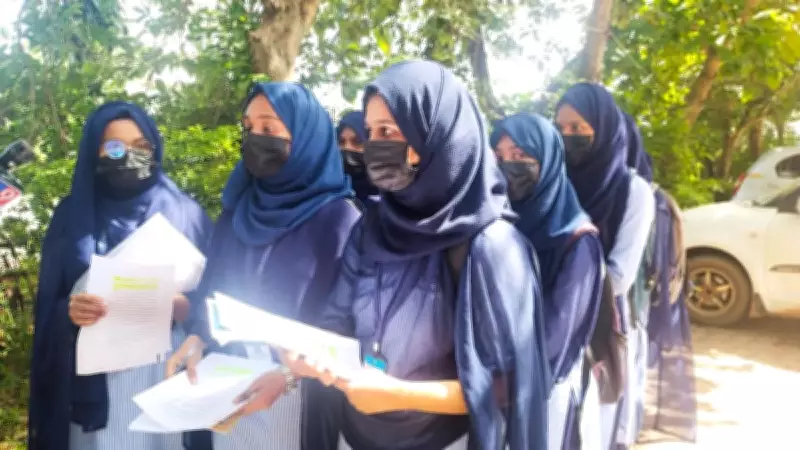
The Karnataka government has officially withdrawn the 2022 order that prohibited the wearing of hijab in classrooms. The order was originally issued during the previous BJP-led administration and had sparked widespread controversy and legal challenges.
Background of the Ban
In early 2022, the Karnataka government under Chief Minister Basavaraj Bommai issued an order banning hijab, a headscarf worn by many Muslim women, in educational institutions. The order led to protests and counter-protests across the state, with many students and activists opposing the ban as a violation of religious freedom and personal choice. The matter reached the Karnataka High Court, which upheld the ban in March 2022, stating that the hijab is not an essential religious practice in Islam. The Supreme Court later agreed to hear appeals against the high court verdict.
New Government's Review
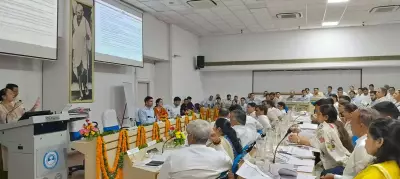
After the Congress party came to power in Karnataka in May 2023, the new government, led by Chief Minister Siddaramaiah, signaled a change in policy. The government formed a committee to review the hijab ban and other controversial decisions of the previous administration. Following the review, the state government decided to withdraw the order, citing the need to ensure a harmonious and inclusive educational environment.

Implications of the Withdrawal
The withdrawal of the order means that students in Karnataka can now wear hijab in classrooms without fear of disciplinary action. However, the legal status of the ban remains complex, as the Karnataka High Court's verdict upholding the ban is still in effect. The state government's decision to withdraw the order does not automatically nullify the court's judgment. Legal experts suggest that the government may need to take further steps, such as filing a review petition or seeking a legislative remedy, to fully restore the right to wear hijab.
Reactions
The decision has been welcomed by Muslim organizations and student groups, who see it as a victory for religious freedom and secular values. Some political leaders from the opposition BJP have criticized the move, arguing that it compromises discipline and uniformity in educational institutions. The issue is likely to remain a point of political debate in the state.
Conclusion
The Karnataka government's withdrawal of the hijab ban order marks a significant policy reversal, reflecting the change in political leadership. While the immediate impact is positive for students who wish to wear hijab, the long-term resolution of the legal and social tensions surrounding the issue remains to be seen.