

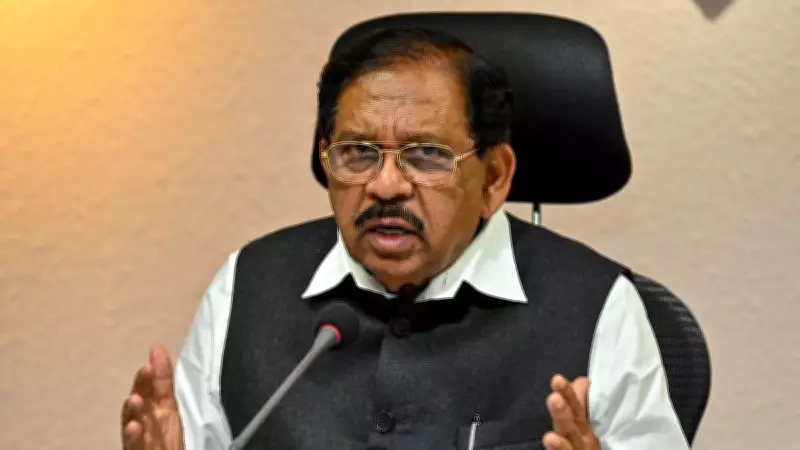
Karnataka Home Minister Voices Opposition to Proposed 6-6-5 Internal Quota Formula
In a significant development within Karnataka's political landscape, Home Minister G Parameshwara has publicly expressed his opposition to the proposed 6-6-5 internal reservation formula for Scheduled Castes (SC) and Scheduled Tribes (ST) communities. This stance emerges amidst ongoing debates over equitable distribution of reservation benefits among various sub-groups within these marginalized sections.
Details of the Controversial 6-6-5 Formula
The 6-6-5 formula refers to a specific allocation proposal under consideration for internal reservations within the SC/ST categories in Karnataka. According to reports, this formula suggests:
- 6% reservation for one designated sub-group within the SC community.
- 6% reservation for another distinct sub-group within the SC community.
- 5% reservation for the ST community as part of the internal quota structure.
This proposal aims to address long-standing demands for more granular and fair distribution of reservation benefits, but has sparked considerable controversy and divergent opinions among political leaders and community representatives.

Home Minister's Concerns and Rationale
Minister Parameshwara, a senior Congress leader and prominent Dalit face in Karnataka politics, outlined several key concerns driving his opposition:
- Equity Issues: He argues that the 6-6-5 formula may not adequately address the complex socio-economic disparities among different SC/ST sub-groups, potentially leaving some communities underrepresented.
- Political Implications: The minister highlighted that such a formula could have far-reaching political consequences, affecting electoral dynamics and community alliances in the state.
- Implementation Challenges: Parameshwara expressed apprehension about the practical difficulties in implementing and monitoring this specific quota distribution effectively.
His opposition adds a crucial voice to the ongoing discourse, particularly given his influential position within the state government and his personal background representing SC communities.
Broader Context of Internal Reservation Debates in Karnataka
This controversy occurs against the backdrop of persistent demands for internal reservations within SC/ST categories across India. In Karnataka specifically:
- Various SC/ST sub-groups have historically advocated for more targeted reservation policies to address intra-community inequalities.
- Previous governments have grappled with similar proposals, often facing legal challenges and political pressure from different community organizations.
- The current debate reflects deeper societal tensions about resource allocation and representation in education, employment, and political spheres.
The state government now faces the delicate task of balancing these competing interests while ensuring any policy changes withstand legal scrutiny and promote social justice.
Potential Next Steps and Political Ramifications
With a senior minister openly opposing the formula, several developments are anticipated:
- Internal Government Discussions: The issue is likely to trigger more intense deliberations within the ruling Congress party and the state cabinet.
- Community Reactions: Various SC/ST organizations are expected to respond, potentially organizing protests or consultations to voice their positions.
- Opposition Party Stances: Other political parties in Karnataka may seize this opportunity to articulate their own views, influencing public discourse ahead of future elections.
As Karnataka navigates this sensitive policy matter, the outcome could set important precedents for how Indian states address internal reservation demands within broader affirmative action frameworks.






