

Karnataka Government Addresses LPG Supply Concerns
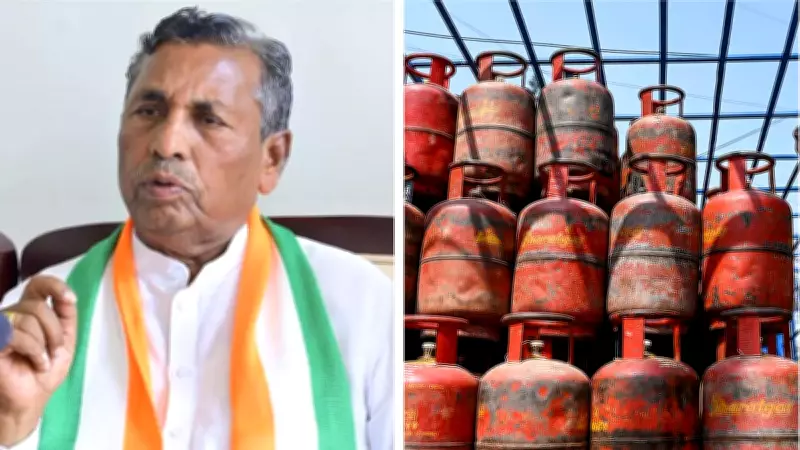
In a recent statement, Karnataka's Minister for Food and Civil Supplies, K.H. Muniyappa, has provided crucial updates regarding the availability of liquefied petroleum gas (LPG) cylinders across the state. The minister has categorically assured residents that there is no shortage of domestic LPG cylinders, aiming to alleviate concerns among households. However, he acknowledged that the commercial supply chain is experiencing significant strain due to heightened demand from various sectors.
Domestic Supply Remains Stable
Minister Muniyappa emphasized that the distribution network for domestic LPG cylinders is functioning smoothly, with adequate stocks to meet the needs of consumers. This reassurance comes amid reports of potential disruptions, which have sparked anxiety in some regions. The government has implemented measures to ensure uninterrupted delivery to residential areas, prioritizing household requirements to prevent any inconvenience.
Commercial Sector Faces Challenges
While domestic supply remains robust, the commercial sector is grappling with increased pressure. Muniyappa highlighted that businesses, including restaurants, hotels, and industrial units, are facing constraints in securing LPG cylinders. This strain is attributed to a surge in demand, possibly linked to seasonal factors or economic activities. The minister noted that authorities are actively monitoring the situation and exploring solutions to bolster commercial supply without compromising domestic availability.

Government's Proactive Measures
To address the imbalance, the Karnataka government is taking several steps:
- Enhanced Coordination: Strengthening communication between suppliers, distributors, and regulatory bodies to streamline logistics.
- Demand Management: Assessing consumption patterns to allocate resources efficiently and prevent hoarding.
- Alternative Arrangements: Considering temporary imports or reallocations from other states if necessary, though Muniyappa stressed that current stocks are sufficient for domestic needs.
The minister urged the public to avoid panic-buying, as it could exacerbate the situation. He reassured that the government is committed to maintaining a stable supply chain and will provide regular updates to keep citizens informed. This development underscores the importance of energy security in Karnataka, with officials working diligently to balance domestic and commercial demands amidst evolving market conditions.






