

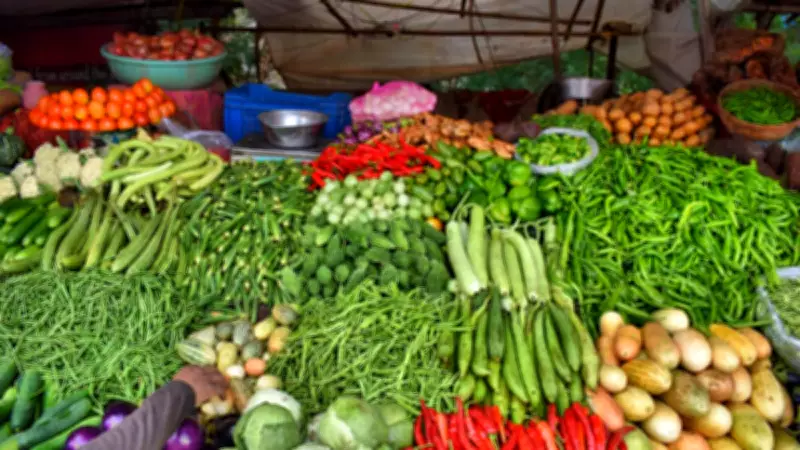
India's retail inflation, based on the Consumer Price Index (CPI), accelerated to 3.93% in May, up from 3.66% in April, driven by high food and fuel prices. The data released by the Ministry of Statistics and Programme Implementation on Friday showed that the inflation rate remained within the Reserve Bank of India's (RBI) comfort zone of 2-6%.
Food Inflation Remains Elevated
Food inflation, which accounts for nearly half of the CPI basket, stood at 5.01% in May, compared to 4.87% in April. Prices of vegetables, pulses, and meat and fish rose sharply, while cereals and eggs witnessed moderate increases. The persistent rise in food prices continues to exert upward pressure on overall inflation.
Fuel and Light Inflation
Inflation in the fuel and light category accelerated to 5.62% in May from 5.01% in April, reflecting higher petrol and diesel prices. The government has raised taxes on fuel, and global crude oil prices have also been volatile, contributing to the increase.

Core Inflation Moderates
Core inflation, which excludes volatile food and fuel prices, moderated slightly to 3.1% in May from 3.2% in April, indicating subdued demand-side pressures. This suggests that the inflationary spike is primarily supply-driven.
RBI's Monetary Policy Stance
The RBI, which has kept the repo rate unchanged at 4% since May 2020, is likely to maintain an accommodative stance to support economic recovery. The central bank has projected CPI inflation at 5.1% for the current fiscal year, with risks evenly balanced. The May inflation print is lower than the RBI's estimate, providing room for continued policy support.
Regional Variations
Inflation rates varied across states, with Bihar, Jharkhand, and Uttar Pradesh reporting higher than national average inflation, while states like Kerala and Tamil Nadu recorded lower rates. Rural inflation stood at 4.12%, higher than urban inflation of 3.67%, reflecting higher food price pressures in rural areas.
Outlook
Economists expect inflation to remain within the RBI's target range in the coming months, barring any major supply shocks. The monsoon season and government measures to cool food prices will be key factors to watch. The next RBI monetary policy committee meeting is scheduled for August, where the inflation trajectory will be closely assessed.






