Karnataka's Socio-Educational Survey Report Deadline Approaches
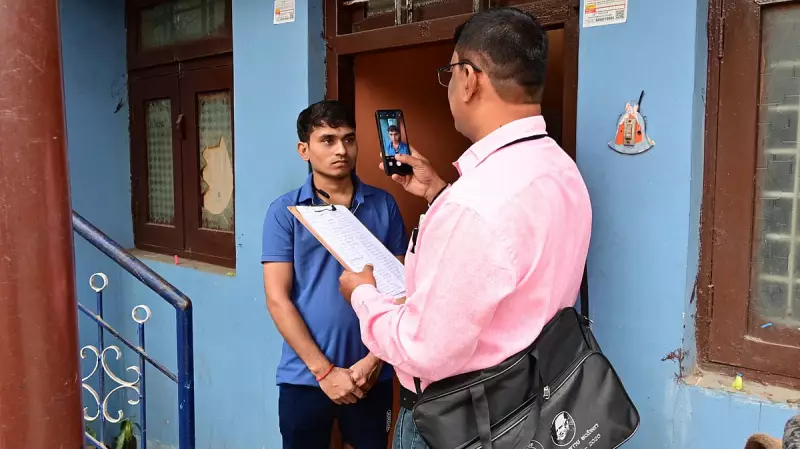
The Karnataka government has set a firm deadline for the submission of the comprehensive social and educational survey report, with officials confirming it must be submitted by the end of February. This extensive survey, which has been in progress for several months, aims to document the socio-economic and educational status of various communities across the state.
Political Controversy Surrounds the Survey
The survey has emerged as a politically contentious issue in Karnataka, sparking heated debates among different community groups and political factions. Historically, this type of data collection has faced significant criticism from the state's dominant communities, particularly the Lingayat and Vokkaliga groups, who have expressed concerns about its potential implications and methodology.
In contrast, the survey has garnered substantial support from minority communities, Dalits, and various backward classes across Karnataka. These groups view the survey as a crucial tool for accurately assessing their socio-economic conditions and educational needs, which they believe could lead to more equitable policy-making and resource allocation.

Survey Objectives and Implementation Challenges
The socio-educational survey represents one of the most comprehensive data collection efforts undertaken in Karnataka in recent years. Government officials involved in the project have emphasized its importance for evidence-based policy formulation, particularly in areas related to education access, employment opportunities, and social welfare programs.
However, the implementation has not been without challenges. Survey teams have reported difficulties in certain regions, while community leaders have raised questions about data privacy and the potential misuse of collected information. The approaching February deadline has added pressure on field teams to complete their work while ensuring data accuracy and integrity.
Historical Context and Current Implications
This is not the first time such a survey has been attempted in Karnataka. Previous efforts have often been met with resistance from established community groups who fear the findings might challenge existing power structures or resource distribution patterns. The current survey builds upon earlier attempts but with more sophisticated data collection methods and broader parameters.
The timing of the February submission deadline places the survey report squarely in the middle of Karnataka's political calendar, potentially influencing upcoming policy decisions and political discourse. As the deadline approaches, stakeholders across the political spectrum are preparing their responses to what is expected to be a detailed and potentially transformative document.
Government spokespersons have assured that the survey findings will be analyzed thoroughly before any policy decisions are made, emphasizing that the primary goal is to create a more accurate picture of Karnataka's social and educational landscape for the benefit of all communities.