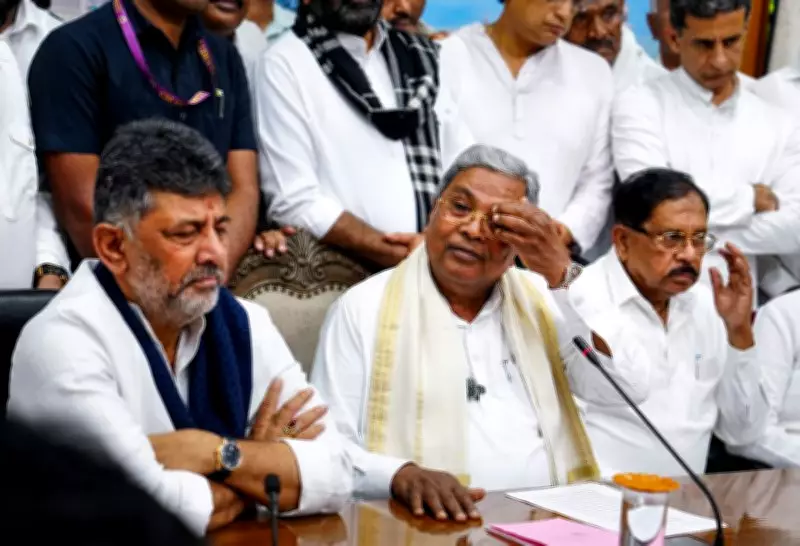
The recent transition in Karnataka, marked by Siddaramaiah's exit as Chief Minister, signals a significant reset in the state's political landscape. This change comes amidst internal party dynamics and the need for fresh leadership to address governance issues and prepare for upcoming electoral battles.
Background of the Transition
Siddaramaiah, a veteran Congress leader, stepped down following a period of intense political maneuvering. His tenure saw both achievements and challenges, including welfare schemes and factional conflicts within the party. The decision to replace him was driven by a desire to revitalize the party's image and counter the growing influence of the BJP in the state.
Implications for Congress
The leadership change is expected to bring a new approach to state governance. The incoming Chief Minister faces the task of consolidating party unity, implementing development programs, and addressing public grievances. This reset is crucial for Congress to regain lost ground and strengthen its position ahead of the next state assembly elections.

- Governance Reforms: The new administration is likely to focus on improving transparency and efficiency in government operations.
- Electoral Strategy: With elections on the horizon, the party aims to project a cohesive and dynamic image to voters.
- Factional Balance: Managing internal factions will be key to ensuring stability and effective governance.
Political Reactions
The transition has elicited varied responses from political observers and rivals. While Congress supporters view it as a necessary step, critics argue it reflects underlying instability. The BJP has seized the opportunity to question the Congress's ability to govern, highlighting the frequent changes in leadership.
Looking Ahead
As Karnataka enters this new political phase, all eyes will be on the new Chief Minister's performance. The success of this reset will depend on the ability to deliver on promises, maintain party discipline, and connect with the electorate. The coming months will be critical in shaping the state's political future.