Karnataka Assembly Approves Bill Granting ULBs Authority Over Advertisement Charges
The Karnataka Legislative Assembly has taken a significant step in urban governance by passing a bill that empowers urban local bodies (ULBs) to regulate and impose charges on advertisements. This legislative move is designed to enhance municipal revenue streams and provide ULBs with greater autonomy in managing public spaces within their jurisdictions.
Key Provisions of the New Legislation
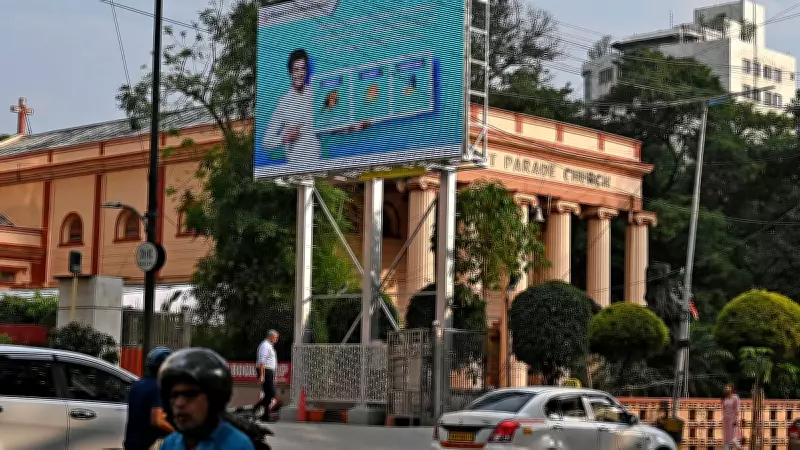
The newly passed bill introduces several critical provisions aimed at strengthening the financial and regulatory capabilities of ULBs across Karnataka. Under this law, urban local bodies, which include municipal corporations, municipal councils, and town panchayats, will now have the explicit authority to set and collect fees for advertisements displayed in public areas. This encompasses a wide range of advertising mediums, such as hoardings, digital displays, and other forms of outdoor publicity.
The primary objective of this legislation is to create a standardized framework for advertisement regulation, ensuring that ULBs can effectively monitor and control the proliferation of ads in urban environments. By doing so, the bill aims to address issues related to visual pollution and safety hazards often associated with unregulated advertising practices.
Implications for Municipal Revenue and Urban Management
One of the most significant impacts of this bill is its potential to boost the financial resources of ULBs. Historically, many urban local bodies in Karnataka have faced challenges in generating sufficient revenue to fund essential services and infrastructure projects. By allowing ULBs to levy charges on advertisements, the legislation opens up a new revenue stream that can be utilized for public welfare initiatives, including sanitation, road maintenance, and urban development programs.
Moreover, the bill empowers ULBs to enforce regulations that ensure advertisements comply with local guidelines regarding size, placement, and content. This regulatory control is expected to enhance the aesthetic appeal of cities and towns while promoting safer urban landscapes. For instance, ULBs can now impose stricter rules on advertisements that obstruct traffic visibility or pose risks to public safety.
Legislative Process and Future Steps
The bill was introduced and debated in the Karnataka Legislative Assembly, where it received broad support from lawmakers who recognized the need for decentralized urban governance. Following its passage in the Assembly, the legislation will proceed to the Legislative Council for further scrutiny and approval. Once enacted, the state government will work with ULBs to develop detailed guidelines and implementation mechanisms to ensure the smooth execution of the new provisions.
This legislative initiative aligns with broader efforts to empower local bodies across India, reflecting a shift towards more participatory and accountable urban management. By granting ULBs the authority to regulate advertisement charges, Karnataka sets a precedent for other states to consider similar measures aimed at enhancing municipal autonomy and financial sustainability.
Conclusion
In summary, the Karnataka Assembly's passage of this bill marks a pivotal development in urban governance, providing ULBs with the tools needed to regulate advertisements effectively and generate additional revenue. As the legislation moves forward, it holds the promise of transforming how cities and towns in Karnataka manage public spaces, ultimately contributing to more organized, aesthetically pleasing, and financially robust urban environments.