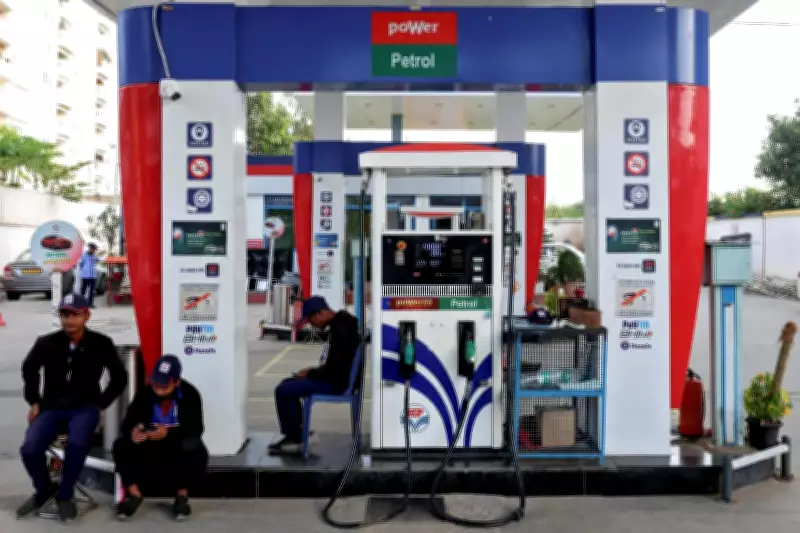
Bengaluru: Pressure is mounting on the Karnataka state government to reduce Value Added Tax (VAT) on petrol and diesel as fuel prices continue to rise. However, the Siddaramaiah administration is unlikely to provide immediate relief, citing mounting financial pressures and dependence on fuel taxes for revenue.
Current Tax Structure
Karnataka levies a 29.84% sales tax on petrol and 21.17% on diesel, according to data from the Petroleum Planning and Analysis Cell (PPAC). The recent revision in fuel taxes is projected to generate an additional Rs 3,000 to Rs 4,000 crore annually for the state exchequer.
The state follows an ad valorem taxation system, where VAT is charged as a percentage of the base fuel price, which includes the dealer price and central excise duty. As fuel prices rise, state revenues automatically increase. However, retail prices in Karnataka are lower compared to several other states.

Comparison with Other States
Telangana imposes the highest VAT at 35.2% on petrol and 27% on diesel. Kerala levies over 30% sales tax along with cess and surcharge components, while Tamil Nadu uses a hybrid structure combining 13% VAT with a fixed per-litre levy.
Despite criticism from opposition parties, finance department officials said a reduction is unlikely as the state is already grappling with declining revenues and the annual Rs 51,000 crore burden of guarantee schemes. They noted that taxes on fuel and liquor remain among the biggest revenue sources for states, apart from GST compensation and tax devolution from the central government.
Political Reactions
Political analyst Sandeep Shastri commented: “The state already faces a financial crunch. Also, the state government would like people to believe that the burden of responsibility for such relief lies with the central government.”
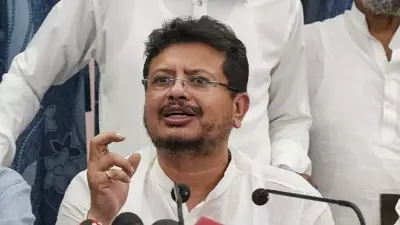
The issue has emerged as a political flashpoint. Opposition leader R Ashoka of the BJP recently urged the state government to reduce VAT, arguing that middle-class families and farmers are bearing the brunt of rising prices.
Former Infosys CFO Mohandas Pai also accused the government of benefiting from the hike while blaming the central government. “At least reduce VAT on the Rs 7.5 increase and carry on your political protest,” Pai said. “Getting more money from this increase and then protesting smacks of hypocrisy.”
Shifts in Taxation Models
PPAC data shows many states are shifting to hybrid taxation models that combine percentage-based VAT with a fixed cess to protect revenues from crude oil volatility. Besides Tamil Nadu, Andhra Pradesh, Maharashtra, and Punjab have adopted such structures.
Some members of the state dealers’ association have urged the central government to direct states to temporarily cap VAT at 5% for three to six months to cushion consumers from further shocks.