

Karnataka's Urban Local Bodies Confront Financial Challenges
In a recent development, urban local bodies in Karnataka are facing a critical financial crunch, despite being officially 'empowered' with increased devolution shares. This situation highlights a growing disparity between policy enhancements and practical funding realities.
Enhanced Devolution Share Announced by State Government
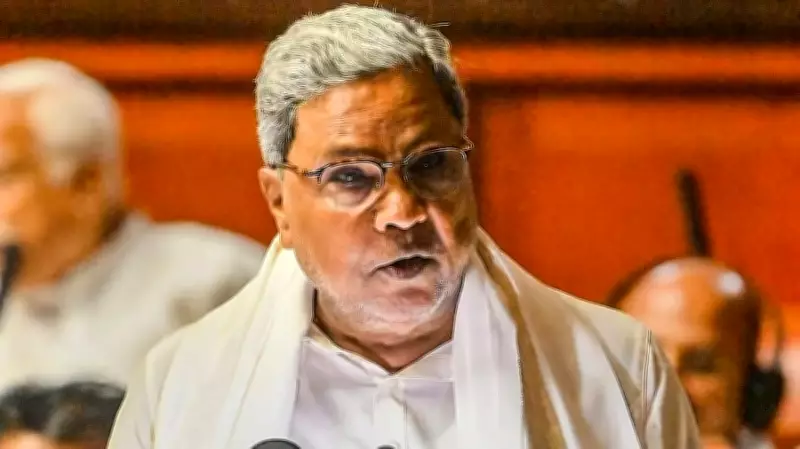
Chief Minister Siddaramaiah has disclosed that the 5th State Finance Commission (SFC) initially recommended a 48% share in devolution to local bodies. In a move to bolster their financial autonomy, the state government has enhanced this share to 50%. This decision aims to strengthen the fiscal capacity of urban municipalities across Karnataka.
Persistent Funding Shortages Impact Urban Development
However, reports indicate that these urban bodies are grappling with shrinking funds, which severely hampers their ability to execute development projects and maintain essential services. The enhanced devolution share, while a positive step, appears insufficient to meet the escalating demands of rapid urbanisation and infrastructure needs.

Key issues contributing to the financial strain include:
- Rising operational costs due to inflation and population growth.
- Inadequate revenue generation from local sources such as property taxes and user charges.
- Delays in the release of allocated funds from higher government tiers.
- Increased expenditure on mandatory services like sanitation, water supply, and public health.
Implications for Urban Governance and Services
The funding gap poses significant challenges for urban governance, potentially leading to:
- Delayed or stalled infrastructure projects, affecting quality of life.
- Compromised maintenance of public amenities and utilities.
- Reduced capacity to address emerging urban issues like waste management and traffic congestion.
- Strained relations between local bodies and citizens due to unmet expectations.
Experts suggest that without additional financial support or improved revenue mechanisms, the empowerment of these urban bodies may remain largely symbolic. The situation calls for a comprehensive review of funding models and greater fiscal decentralization to ensure sustainable urban development.
As Karnataka continues to urbanise, resolving this financial dilemma is crucial for the effective functioning of local governance and the well-being of urban residents. Stakeholders are urging for prompt action to bridge the funding gap and realise the true potential of empowered urban bodies.






