Karnataka's Outsourced Waste Management Model Delivers Mixed Outcomes Amid Rural Concerns
The Karnataka state government's initiative to privatize urban waste management is producing a complex blend of successes and persistent challenges. While significant processing gains have been achieved, systemic inefficiencies are causing unhandled waste to spill over into rural areas, sparking legislative alarm and calls for stricter enforcement.
Progress in Outsourcing and Bioremediation Efforts
Municipal Administration Minister Rahim Khan reported that waste management has been outsourced in 98 cities under a hire model, with the government paying private agencies between Rs 234 and Rs 1,227 per tonne across three companies. The state encompasses 321 urban local bodies (ULBs) and four notified areas. Detailed project reports for 222 ULBs have been approved, and 94 ULBs with more than 20,000 tonnes of legacy waste were identified for tendering. Of these, 82 ULBs are now operational under the outsourced model, collectively bioremediating an impressive 36.2 lakh tonnes of legacy waste.
Persistent Gaps in Waste Processing and Collection
Despite these advancements, inefficiencies remain stark. Outside Bengaluru, ULBs generate 7,204 tonnes of waste daily, with 83.3% processed. However, 293 tonnes go uncollected, and of the 7,011 tonnes collected, 923 tonnes are left unprocessed daily. Additionally, 124 ULBs with smaller waste volumes continue to rely on in-house systems, highlighting uneven implementation across the state.

Rural Spillover and Legislative Concerns
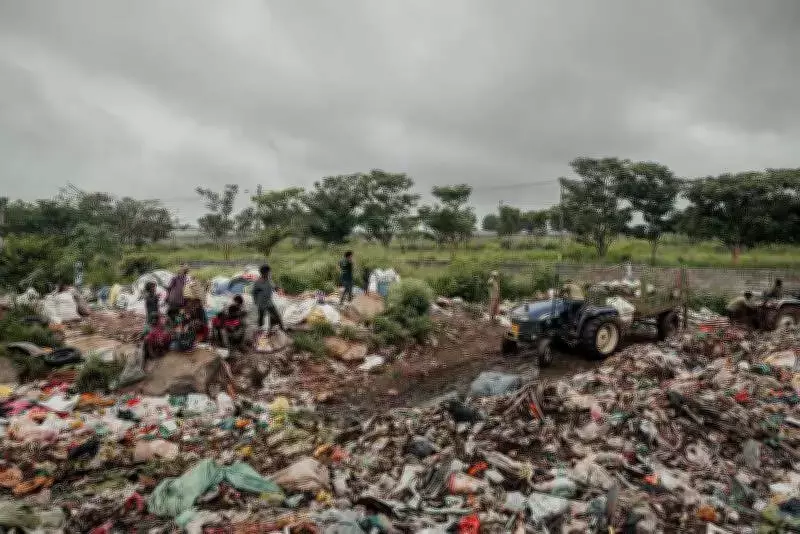
A major concern raised during the recent budget session is the spillover impact on rural areas. Although laws prohibit open dumping and burning, weak enforcement allows unprocessed urban waste to be dumped in villages. BJP MLC DS Arun highlighted this issue, stating, "City waste is being dumped in villages. The issue is only getting worse as management appears to have been taken over by a mafia." He pointed to structural flaws, including underestimation of waste generation. "Corporations often miscalculate waste by relying on population estimates, resulting in tenders for only about 50% of actual waste," Arun explained.
Systemic Issues and Oversight Challenges
Arun also emphasized poor segregation at source and weak oversight, noting that contractors tasked with upcycling and recycling waste frequently dump unprocessed materials in landfills and nearby villages. "This defeats the purpose of waste management," he asserted. He added that rural communities, which follow relatively sustainable waste practices, are unfairly burdened by urban mismanagement. In response, Minister Khan assured that the government would take appropriate action to address these concerns, though specific measures were not detailed.
The situation underscores a critical need for improved data accuracy, enhanced monitoring, and stronger enforcement to prevent rural areas from becoming dumping grounds, ensuring that Karnataka's waste management reforms achieve their intended environmental and social goals.