

Kerala's 2026 Election Focus: Stemming the Brain Drain Exodus
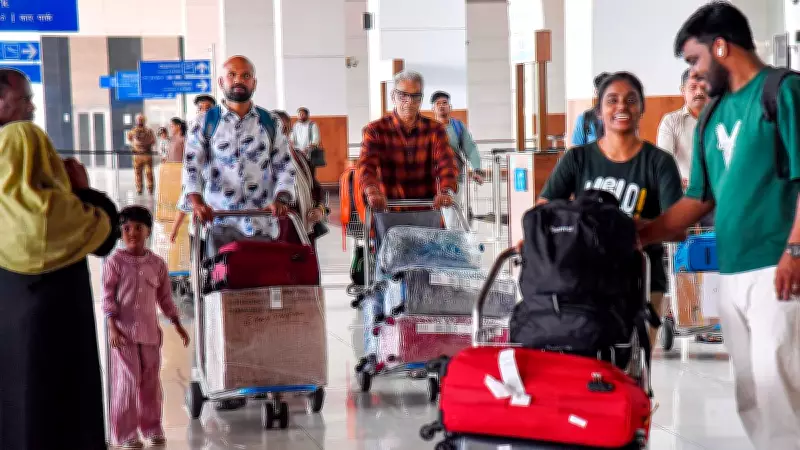
As Kerala prepares for the pivotal 2026 Assembly elections, a critical issue has taken center stage in the political discourse: the state's persistent migration problem. Political parties across the spectrum are now engaged in a fierce battle to address this challenge, with the overarching goal of transforming Kerala from what many describe as a 'departure lounge' into a sustainable and attractive destination for its residents.
The Personal Impact of Migration
The human cost of this migration trend is poignantly illustrated by individuals like Roy, a native of Changanassery in the Kottayam district. Roy expressed deep uncertainty about his ability to exercise his voting rights in future elections, a sentiment shared by numerous Kerala families who have relocated abroad in pursuit of better opportunities. This personal narrative underscores a broader societal shift that is reshaping the state's demographic and electoral landscape.
Roy's story is not an isolated case but rather emblematic of a widespread phenomenon affecting countless households across Kerala. The migration wave, driven by factors such as limited local employment prospects and aspirations for enhanced living standards, has led to a significant diaspora that remains connected to their homeland yet physically distant during crucial political moments like elections.

Political Strategies and Electoral Implications
In response to this pressing issue, political parties contesting the 2026 Kerala Assembly elections are formulating comprehensive strategies aimed at reversing the brain drain. Key focus areas include:
- Economic Revitalization: Proposals to boost job creation and foster entrepreneurship within the state to retain skilled professionals and young graduates.
- Infrastructure Development: Plans to enhance healthcare, education, and urban amenities to improve quality of life and reduce the impetus for emigration.
- Policy Innovations: Initiatives to support returning migrants and leverage their expertise for local development, alongside digital solutions to facilitate remote voting or engagement for the diaspora.
The electoral battle is intensifying as parties vie to present the most convincing blueprint for Kerala's future. The metaphor of the 'departure lounge' highlights the transient nature of the state's current situation, where many view it merely as a stepping stone to greener pastures abroad. Transforming this perception into one of a 'destination' requires not only political will but also tangible, long-term solutions that address the root causes of migration.
Broader Context and Future Outlook
This migration challenge is set against the backdrop of Kerala's unique socio-economic profile, characterized by high literacy rates and a history of progressive policies. However, the mismatch between educational attainment and local employment opportunities has fueled the exodus. As the 2026 elections approach, voters are increasingly scrutinizing how parties plan to bridge this gap and create a more self-sufficient economy.
The outcome of these elections could significantly influence Kerala's trajectory over the coming years. Success in curbing migration would not only bolster the state's human capital but also strengthen its political and cultural fabric. Conversely, failure to address this issue may exacerbate demographic shifts and weaken Kerala's position as a leader in human development indicators within India.
In conclusion, the 2026 Kerala Assembly elections represent a critical juncture for the state. With migration emerging as a defining issue, the political discourse is shifting towards sustainable development and retention of talent. As parties articulate their visions, the hope is to forge a path where Kerala becomes a beacon of opportunity, ensuring that stories like Roy's become less common and the state truly evolves into a destination worth staying for.






