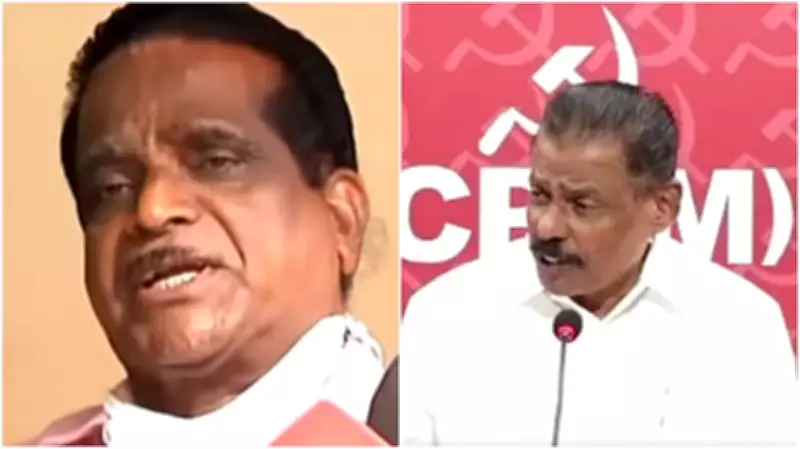
Kerala Assembly Elections 2026: Internal CPM Strife Poses Electoral Challenge
As the countdown to the Kerala Assembly Elections in 2026 intensifies, simmering discontent within the Communist Party of India (Marxist) is emerging as a critical factor that could reshape the political landscape. Recent developments have cast a spotlight on deep-seated resentment in the party's traditional strongholds, raising questions about voter loyalty and electoral outcomes.
Allegations Rock CPM Leadership
In a significant escalation of internal tensions, senior CPM leader T K Govindan has launched a barrage of allegations targeting the party secretary. More notably, Govindan has directly implicated Chief Minister Pinarayi Vijayan, accusing him of providing unwavering support to the secretary amidst the controversy. This public airing of grievances marks a rare breach in the party's typically disciplined facade and signals potential fractures at the highest levels of leadership.
The timing of these allegations is particularly sensitive, coming just as the state begins its preparations for the crucial 2026 polls. Political analysts suggest that such internal discord could undermine the CPM's campaign efforts and erode its base of support in regions long considered impenetrable fortresses for the party.

Historical Context and Electoral Implications
Kerala has a storied history of competitive politics, with the CPM and the Congress-led United Democratic Front (UDF) traditionally vying for dominance. The 2026 elections are poised to be a pivotal moment, potentially determining whether the Left Democratic Front (LDF), led by the CPM, can secure a consecutive term under Pinarayi Vijayan's leadership.
However, the current infighting threatens to disrupt this trajectory. Resentment within CPM citadels—areas where the party has historically enjoyed overwhelming support—could translate into voter apathy or even defection to opposition parties. This internal strife may provide an opening for rivals to capitalize on perceived weaknesses in the CPM's organizational structure.
Broader Political Ramifications
The allegations leveled by T K Govindan are not merely about individual grievances; they reflect broader ideological and strategic divisions within the CPM. As the party grapples with these issues, several key questions emerge:
- Will the leadership manage to contain the fallout and present a united front to voters?
- How will Chief Minister Pinarayi Vijayan address the accusations of favoritism and support for the party secretary?
- Can the CPM effectively mobilize its cadre and supporters in the face of internal discord?
Moreover, the situation underscores the volatile nature of Kerala politics, where even minor shifts in party dynamics can have outsized effects on electoral outcomes. The 2026 elections will serve as a litmus test for the CPM's ability to navigate these challenges and retain its hold on power.
Looking Ahead to 2026
With the election date drawing nearer, all eyes are on how the CPM will reconcile its internal differences. The party's response to the allegations and its strategy for addressing voter concerns in its strongholds will be critical. Political observers note that the resolution—or escalation—of this conflict could set the tone for the entire campaign period.
In conclusion, the Kerala Assembly Elections of 2026 are shaping up to be a highly contested battle, with internal CPM dissent adding an unexpected layer of complexity. As T K Govindan's allegations reverberate through the party ranks, the ultimate impact on the ballot box remains to be seen, but the potential for significant electoral repercussions is undeniable.