Kerala Assembly Election Campaign Concludes as 48-Hour Silence Period Begins
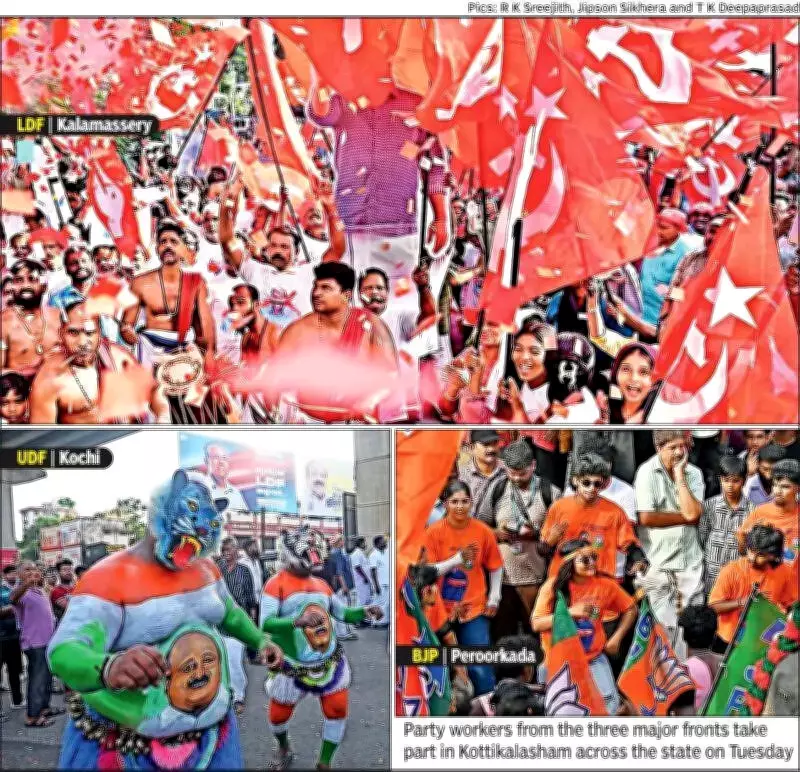
The vociferous three-week campaign for the Kerala state assembly election officially came to a close on Tuesday evening. This marks the start of the mandatory 48-hour silence period enforced by the Election Commission of India, designed to create a calm atmosphere for voters to exercise their franchise without fear or influence on Thursday.
Legal Framework of the Silence Period
According to Section 126 of the People's Representative Act of 1951, the final 48 hours before voting ends are strictly regulated. All public meetings, marches, processions, music programs, play productions, and any similar entertainment events that could attract voters are explicitly banned. Furthermore, the telecast and broadcast of any election campaign material are prohibited under these provisions.
Political workers are required to leave constituencies where they do not possess voting rights during this silence period. This measure aims to prevent last-minute canvassing and ensure a fair electoral process.

Voter Turnout and Key Contenders
An impressive 27,142,952 voters are expected to participate in this crucial election. As active campaigning ceased, the three major political fronts—the Left Democratic Front (LDF), the United Democratic Front (UDF), and the National Democratic Alliance (NDA)—made their final appeals, each claiming higher stakes.
- LDF, led by Chief Minister Pinarayi Vijayan almost single-handedly, campaigned on continuing the development initiatives implemented over the past decade.
- UDF, presenting a united front under Opposition Leader V.D. Satheesan, countered these development claims and heavily relied on potential anti-incumbency sentiment against the ruling government.
- NDA, under the leadership of Prime Minister Narendra Modi, campaigned vigorously not only to reopen its closed account in the state assembly but to displace the two dominant fronts and secure enough seats to form a government.
Campaign Themes and Allegations
All three fronts focused heavily on welfare measures in their election manifestos, despite concerns about the depleted state coffers the next government will inherit. The central theme of the campaign, however, revolved around mutual allegations of 'deals' exchanged among the fronts.
For the first time, the BJP persistently tied its narrative to development, attempting to portray the LDF and UDF as indistinguishable entities. The Sabarimala gold heist continued to be a major election issue, with UDF and NDA hoping to gain electoral advantage from it.
Confidence and Expectations
Despite the intense competition, the Left camp exudes confidence that the LDF, under Pinarayi Vijayan's leadership, will secure a public mandate for an unprecedented third consecutive term. The stage is now set for a decisive verdict as Kerala prepares for a high-stakes electoral battle.