Kerala Enters Mandatory Silence Period Ahead of April 9 Assembly Elections
Kerala officially entered the mandatory silence period on Wednesday, marking the conclusion of public campaigning ahead of the crucial assembly elections scheduled for April 9. This critical phase sees candidates and party workers intensifying their last-mile efforts to connect with voters through door-to-door visits and personal contacts, as all forms of public electioneering have now ceased.
High-Decibel Campaigning Concludes After Month-Long Electioneering
The high-decibel campaigning officially concluded on Tuesday evening, bringing an end to nearly a month of intense political activity across the state. A total of 2.71 crore registered voters are now poised to decide the fate of 883 candidates contesting for the 140-member Kerala Legislative Assembly in the pivotal polls set for Thursday.
During this mandatory silence period, the Election Commission of India has implemented strict prohibitions on all forms of campaigning. These restrictions include a complete ban on public meetings, political rallies, media interactions, and election-related interviews. The commission has implemented these measures to ensure a level playing field and maintain the integrity of the electoral process.

Three-Way Electoral Contest Among Major Political Fronts
The electoral battle in Kerala represents a classic three-way contest among the state's major political formations. The primary contenders include the CPI(M)-led Left Democratic Front (LDF), which currently holds power, the Congress-led United Democratic Front (UDF), and the BJP-led National Democratic Alliance (NDA). Each front has deployed extensive resources and strategic campaigning throughout the election period.
Comprehensive Arrangements for Smooth Polling Operations
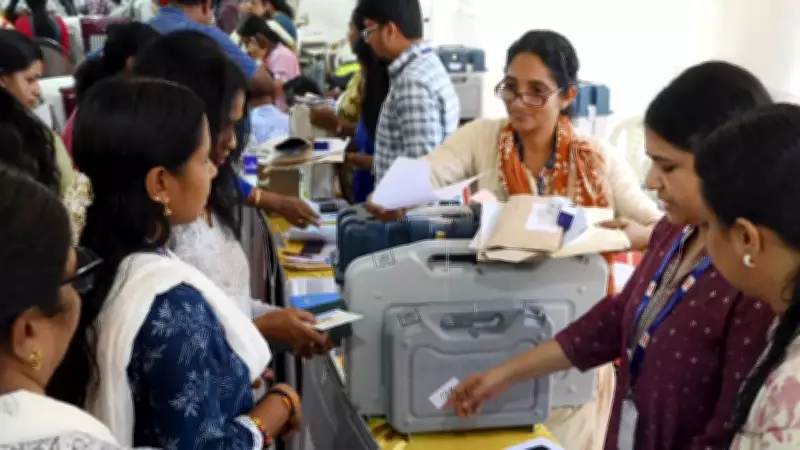
According to election officials, all necessary arrangements have been meticulously put in place to ensure the smooth conduct of polling across the state. A total of 30,495 polling stations have been established throughout Kerala, including 24 auxiliary booths created following the Special Intensive Revision (SIR) of electoral rolls.
These additional polling stations are strategically located across five districts: Kasaragod, Kannur, Palakkad, Malappuram, and Ernakulam. The creation of these auxiliary booths aims to facilitate easier access for voters and streamline the voting process.
Enhanced Security Measures and Preventive Actions
Security measures have been significantly intensified across the state to maintain law and order during the polling process. Prohibitory orders have been imposed in sensitive constituencies to prevent any untoward incidents or electoral malpractices.
Authorities have taken proactive measures by placing approximately 2,000 individuals identified as potential troublemakers under preventive detention. Additionally, law enforcement agencies have executed about 11,000 non-bailable warrants as part of their comprehensive security strategy.
In the digital realm, election authorities have removed over 3,400 social media posts that allegedly violated established poll norms and codes of conduct. This action demonstrates the commission's commitment to maintaining decorum across both physical and virtual campaigning spaces.
Detailed Voter Demographics and Special Arrangements
The electoral roll reveals interesting demographic details about Kerala's voting population. Among the 2.71 crore eligible voters, 1.32 crore are men, 1.39 crore are women, and 273 individuals identify as transgender persons. Additionally, over 2.42 lakh overseas voters remain eligible to cast their votes through appropriate channels.
Election authorities have implemented several special arrangements to ensure inclusive and accessible voting. These include 352 polling stations managed entirely by women personnel and 37 polling stations operated by persons with disabilities, promoting greater participation and representation.

The commission has established 140 distribution and collection centers across the state to facilitate the logistical aspects of the electoral process. Furthermore, counting will take place in 140 designated strongrooms distributed across 43 strategic locations throughout Kerala.
Final Day of Campaigning Witnesses Vibrant Political Mobilization
The final day of public campaigning on Tuesday witnessed a vibrant and energetic display of political mobilization across Kerala. Town centers throughout the state filled with colorful roadshows, enthusiastic rallies, and energetic processions. The atmosphere was marked by fluttering party flags, rhythmic drum beats, and slogan-shouting party workers making their final appeals to voters.
Beyond traditional canvassing methods, political parties heavily relied on modern communication channels during the campaign period. Television advertisements, print media coverage, and strategic social media campaigns played crucial roles in reaching voters across demographic segments before the silence phase came into effect.
As Kerala now observes the mandatory silence period, all eyes turn toward Thursday's polling, where millions of voters will exercise their democratic right to shape the state's political future. The comprehensive preparations and strict enforcement of election guidelines aim to ensure a free, fair, and peaceful electoral process that truly reflects the will of Kerala's electorate.