Kerala High Court Delivers Major Blow to LDF Government's Survey Initiative
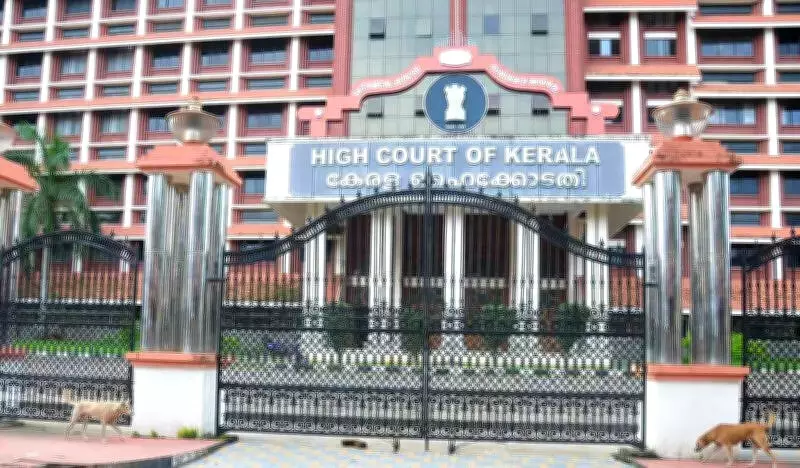
In a significant judicial setback for the ruling Left Democratic Front (LDF) administration, the Kerala High Court has invalidated a government order that sanctioned the Nava Kerala Citizen Response Programme. This decision comes amid revelations from the state budget that no financial allocation existed for the ambitious Rs 20 crore project, casting serious doubts on the government's fiscal planning and transparency.
Budget Documents Expose Critical Funding Discrepancy
The controversy deepened when the state budget, presented by Finance Minister K N Balagopal on January 29, 2026, failed to include any provision for the substantial expenditure required by the survey programme. The government order, originally passed on October 10, 2025, had authorized the Nava Kerala Citizen Response Programme with the stated objective of collecting public feedback on various development and welfare initiatives across the state.
According to the contested order, the Rs 20 crore needed for this exercise was supposed to be drawn from the budget head designated for 'special PR campaigns.' However, examination of budget documents reveals a glaring inconsistency: for the financial year 2025-26, the total allocation under this specific head amounted to only Rs 4.6 crore. Even more strikingly, the revised estimate for 2026-27 further reduced this allocation to a mere Rs 4 crore.

Financial Planning Under Scrutiny
This substantial gap between the committed expenditure and actual budgetary provisions has raised fundamental questions about the government's financial management. Critics have long argued that the survey programme appeared politically motivated, potentially utilizing public funds for partisan purposes. The absence of corresponding budgetary backing for such a significant financial commitment has amplified these concerns.
The October 2025 order committing Rs 20 crore did not find any mention in the revised estimate placed before the legislative assembly in January 2026, effectively indicating that even on paper, the identified budget head lacked sufficient allocation to support the programme's implementation.
Legal and Fiscal Implications
In response to the High Court's decision, the state government has now approached the Supreme Court, challenging the verdict. However, regardless of the eventual legal outcome, the financial implications present a complex scenario. With no allocation in the current budget cycle, the payment of the Rs 20 crore is likely to extend into the next financial year, potentially becoming a liability for the subsequent administration.
This situation means that if the Supreme Court ultimately grants relief to the government, the financial burden of clearing dues arising from the present administration's decision could fall upon its successor. The controversy has thus evolved beyond a mere legal setback into a significant fiscal and administrative issue, highlighting how a substantial financial commitment was made without proper budgetary support.
Broader Questions About Governance
The case raises critical questions about governmental accountability and financial prudence:
- How was a Rs 20 crore commitment authorized without corresponding budgetary provisions?
- What mechanisms allowed such a significant discrepancy between announced programmes and actual financial planning?
- What safeguards exist to prevent similar situations in the future?
As the matter now moves to the Supreme Court, the legal challenge continues, but the financial arithmetic reflected in the budget documents remains difficult to reconcile with the government's stated commitments. This episode serves as a stark reminder of the importance of transparent fiscal management and the potential consequences when announced programmes lack proper financial backing.