Kerala Gripped by Shutdown as General Strike Escalates
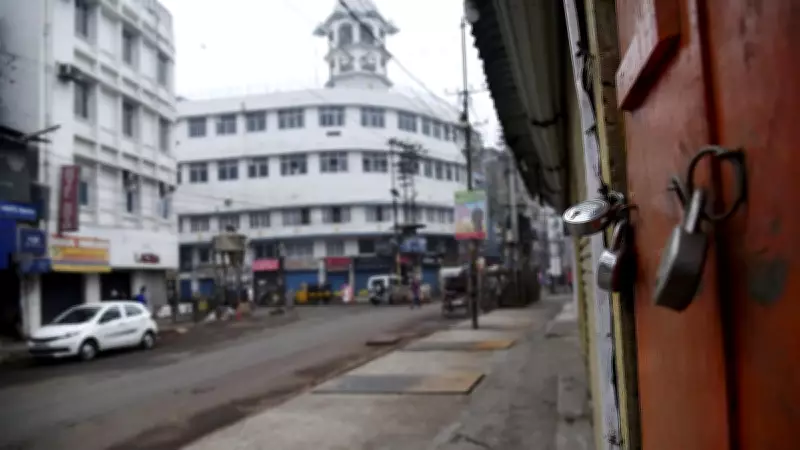
A planned general strike in Kerala has transformed into a comprehensive shutdown, bringing normal life to a standstill across the state. The industrial action, initially called by various trade unions, has intensified, leading to widespread disruptions in transportation, businesses, and public services.
Political Debate Heats Up Between CPI(M) and Congress
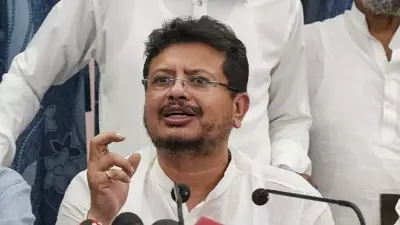
The shutdown has ignited a fierce political debate between the ruling Communist Party of India (Marxist) and the opposition Congress party. CPI(M) state secretary M V Govindan launched a sharp criticism against opposition leader V D Satheesan, accusing him of hypocrisy. Govindan pointed out that Satheesan is continuing his ongoing Kerala yatra during the daytime, even as the pro-Congress trade union, INTUC, actively participates in the general strike.
This contradiction has become a central point of contention, with CPI(M) leaders arguing that it undermines the solidarity of the strike effort. The situation highlights the deep political divisions in Kerala, where labor movements often intersect with party politics.

Impact of the Strike on Daily Life
The escalation from a general strike to a full shutdown has had significant consequences:
- Transportation: Public and private transport services have been severely affected, with many roads blocked and vehicles off the streets.
- Businesses: Shops, markets, and commercial establishments remain closed, causing economic losses and inconvenience to residents.
- Public Services: Essential services are disrupted, though emergency operations are reportedly being maintained with difficulties.
The participation of INTUC, a major trade union aligned with the Congress party, adds a layer of complexity to the strike, as it blurs the lines between labor rights and political maneuvering.
Broader Implications for Kerala Politics
This incident underscores the ongoing tensions between CPI(M) and Congress in Kerala, a state known for its vibrant political landscape. The debate over the strike reflects broader issues of governance, union rights, and electoral strategies. As both parties prepare for future elections, such conflicts are likely to influence public perception and voter sentiment.
The shutdown serves as a reminder of how industrial actions can quickly become politicized, affecting not just economic activities but also the social fabric of the region. Authorities are monitoring the situation closely, with calls for dialogue to resolve the impasse and restore normalcy.