

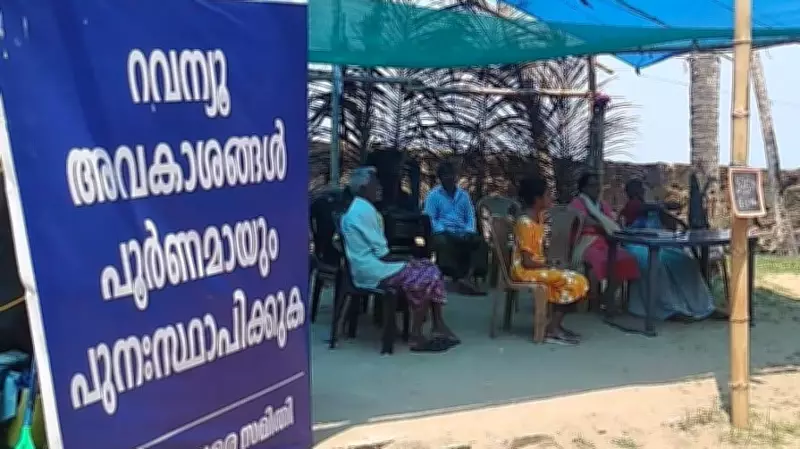
Kerala Waqf Land Dispute: Munambam Families Await Relief Despite Political Promises
In the coastal region of Munambam, Kerala, a contentious Waqf land dispute involving over 610 families remains unresolved, casting a shadow over the upcoming Kerala Assembly Elections in 2026. Despite assurances from Union Minister Kiren Rijiju a year ago, the affected residents, comprising a mix of Christians and Hindus, have seen no tangible relief, highlighting ongoing governance challenges in the state.
Political Interventions and Division in Joint Agitation
The joint agitation by the Munambam families, which initially united them in their struggle for land rights, has faced significant setbacks due to political interventions. These actions have led to a division within the community, undermining their collective efforts to seek justice. Sources indicate that the involvement of various political factions has complicated the resolution process, with promises made during election cycles often failing to materialize into concrete actions.
Residents report that the dispute centers on Waqf land, with many families facing eviction threats and legal battles. The lack of progress has fueled frustration among the locals, who had hoped for a swift resolution following Rijiju's assurance. This situation underscores the broader issues of land rights and bureaucratic delays in Kerala, where such disputes are not uncommon.

Impact on the 2026 Kerala Assembly Elections
As the 2026 Kerala Assembly Elections approach, the Munambam land row is poised to become a key electoral issue. Political parties are likely to leverage the discontent among the affected families to garner support, yet the history of unfulfilled promises raises questions about the efficacy of such strategies. The division within the agitation group, exacerbated by political maneuvering, may further dilute their bargaining power, making it harder to achieve a favorable outcome.
Analysts suggest that this case reflects a pattern in Indian politics, where land disputes often become politicized without resulting in sustainable solutions. The Munambam families' plight serves as a reminder of the need for transparent and consistent policy implementation, especially in matters involving vulnerable communities.
Looking Ahead: Prospects for Resolution
With no relief in sight, the Munambam families continue to advocate for their rights, calling for renewed attention from both state and central authorities. The involvement of high-profile figures like Kiren Rijiju had initially raised hopes, but the prolonged stalemate indicates deeper systemic issues. Key stakeholders, including local leaders and activists, emphasize the importance of depoliticizing the dispute to foster genuine dialogue and resolution.
In conclusion, the Munambam Waqf land dispute remains a pressing concern in Kerala, with implications for governance and electoral dynamics. As the 2026 elections draw nearer, the response to this issue will test the commitment of political entities to addressing grassroots grievances. For now, the 610 families await a resolution that honors their rights and restores their faith in the democratic process.






