

In a significant step for fiscal decentralisation in Kerala, the Seventh State Finance Commission has formally presented its initial set of recommendations to Governor Rajendra Arlekar. The handover ceremony took place at Lok Bhavan in Thiruvananthapuram, marking a crucial phase in planning the financial roadmap for the state's local self-government institutions.
Report Submission and Key Attendees
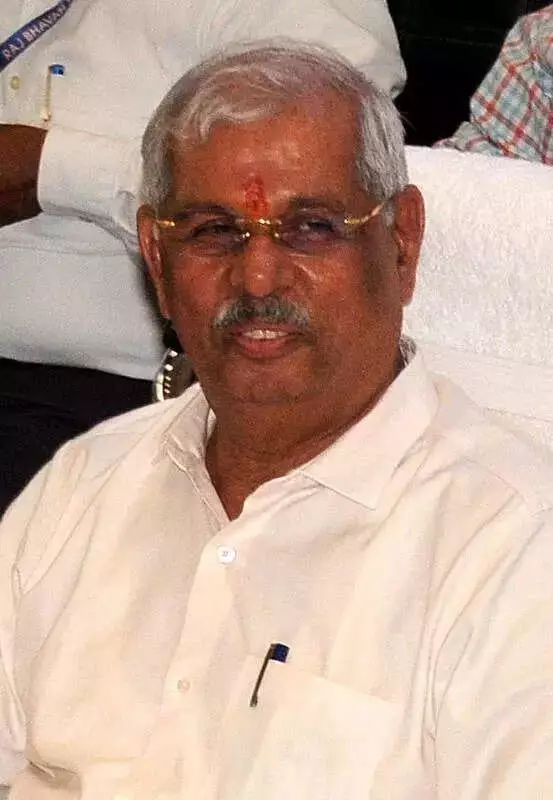
Governor Arlekar received the comprehensive document directly from the commission's chairperson, K N Harilal. The event saw the presence of several key figures involved in the state's financial planning. K R Jyothilal, who serves as both a commission member and the Finance Department Secretary, was present alongside Commission Secretary P Anil Prasad and adviser Harikurup K K.
The governor's office will now forward this report to the state government for detailed examination and necessary action. This initiates the official process for implementing the commission's suggestions regarding fund allocation to local bodies.

Scope and Timeline of Recommendations
The submitted document contains the commission's initial recommendations specifically for the financial year 2026-27. This is part of a broader mandate. The commission, which was appointed in September 2024 for a two-year term, will provide its final recommendations covering the period from 2027-28 to 2030-31 at a later stage.
A critical factor in finalising these subsequent recommendations will be the report of the Central Finance Commission. The state commission has explicitly stated that it will consider the potential impact of the central body's findings on Kerala's fiscal health before making its final suggestions for the latter part of its mandate.
Mandate and Extensive Consultative Process
The primary role of the State Finance Commission is to recommend the share of the state's annual plan and tax revenue that should be transferred to local governments—including gram panchayats, municipalities, and corporations. It also advises on the objective criteria for distributing these allocated funds among the various local bodies.
To formulate a well-informed report, the Seventh Commission undertook an extensive and inclusive data-gathering exercise. Its activities included:
- Holding formal sittings in district planning committees, city corporations, and select other local governments across Kerala.
- Conducting meetings with leaders of major political parties in the state and associations representing local elected representatives.
- Engaging with various state government departments, social organisations, volunteer groups, and subject matter experts.
- Undertaking specialised studies on decentralised planning, resource mobilisation strategies, and financial allocation mechanisms.
Building on a Decentralisation Model
The commission's report acknowledges that the model established by the Kerala government and previous state finance commissions for resource transfer to local bodies is exemplary. It notes that the state follows a healthy approach by relying solely on objective criteria for determining these transfers, avoiding arbitrary allocations.
The Seventh Commission adopted a strategy aimed at strengthening this existing model. While largely continuing current practices in financial allocation, it has also focused on proposing suitable adjustments in resource distribution. These changes are intended to account for significant shifts in the economic landscape, ensuring the decentralisation framework remains robust and responsive.
The submission of this initial report sets the stage for detailed deliberations within the state government, which will determine the level of resources available to local governments for the crucial 2026-27 fiscal year.






