Kolkata Tram Enthusiasts Celebrate 153 Years While Demanding Network Expansion
On Monday, tram users and transport activists in Kolkata renewed their urgent demand for the restoration of services on crucial corridors, commemorating the 153rd birth anniversary of Asia's oldest surviving tram system with a mixture of celebration and deep concern.
Shrinking Network Exacerbates City's Transport Woes
With tram operations now limited to only two truncated routes—Shyambazar to Dharmatala and Gariahat to Dharmatala—and services running irregularly, commuter groups emphasized that the shrinking network has significantly worsened Kolkata's ongoing transport crisis. Despite operating at minimal capacity, trams continue to attract a steady stream of passengers, demonstrating a clear and persistent demand for this zero-emission mode of transportation.
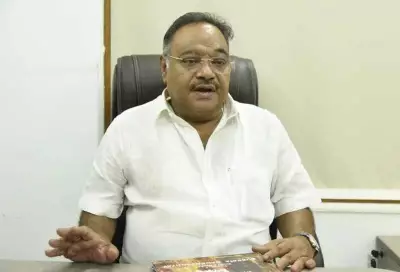
"To witness such a clean transport system with existing infrastructure being gradually dismantled is truly unfortunate," stated Debasish Bhattacharya, president of the Calcutta Tram Users Association (CTUA). "Trams represent not just nostalgia but a practical solution to urban pollution and congestion."

Anniversary Celebrations Blend Nostalgia with Advocacy
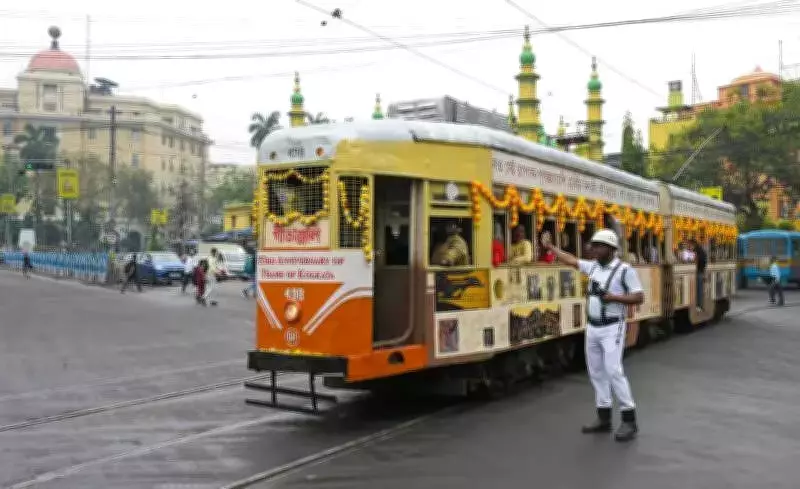
To mark this significant milestone, enthusiasts organized a special event featuring a festively decorated vintage tram that completed a round trip along both operational stretches. Passengers and tram lovers gathered onboard to:
- Cut a commemorative birthday cake
- Participate in small cultural programs
- Share personal stories about tram experiences
- Discuss preservation strategies with transport officials
The celebration effectively combined nostalgic remembrance with contemporary advocacy for sustainable urban transport solutions.
Historic Tram Car 498 Steals the Spotlight
The highlight of Monday's observance was undoubtedly tram car number 498, a wooden-bodied carriage constructed at the Nonapukur workshop during World War II. According to tram chronicler Sagnik Gupta, this particular vehicle was built under extraordinary circumstances that reflect both ingenuity and determination.
"With Japanese air raids targeting the then British city and strict deadlines from the Calcutta Tramways Company headquarters in London, workers built these L-Class trams at night by candlelight," Gupta explained. "This historical artifact represents not just transportation history but wartime resilience and craftsmanship."
The Environmental and Practical Case for Tram Restoration
Transport experts and regular commuters presented compelling arguments for why Kolkata should reinvest in its tram network:
- Zero-emission transportation: Trams produce no direct pollution, making them ideal for improving urban air quality
- Existing infrastructure: Much of the track network remains in place, requiring restoration rather than new construction
- Proven passenger demand: Current truncated services continue to attract riders despite operational limitations
- Heritage preservation: As Asia's oldest surviving system, the trams represent cultural and historical value
- Traffic decongestion: Efficient tram systems can reduce private vehicle usage on crowded city streets
The anniversary celebration served as both a reminder of Kolkata's rich transport heritage and a call to action for municipal authorities to reconsider the tram's role in the city's sustainable future.