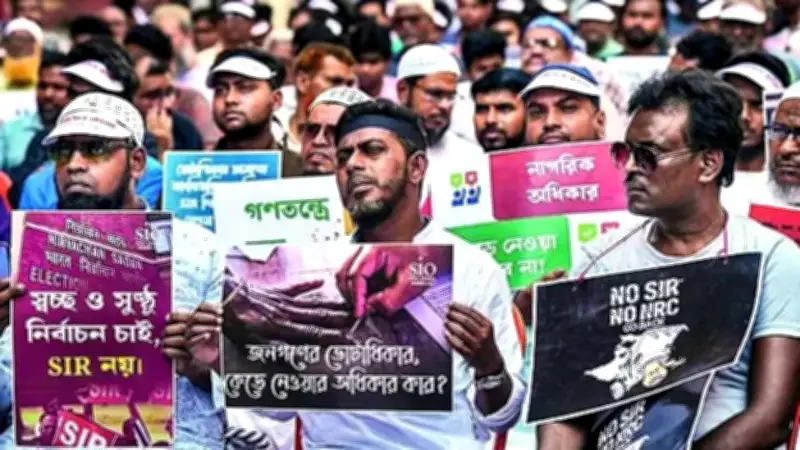
Voter Roll Deletion Appeals in Kolkata: Applicants, Lawyers Confused Over Tribunal Process
In Kolkata, a significant lack of clarity surrounds the appellate tribunal process for individuals seeking to challenge their deletion from the voter roll. Neither the applicants nor their legal representatives appear to have a clear understanding of the procedures to follow if they wish to be reinstated on the electoral list.
Confusion Over Hearing Procedures and Communication
Haridevpur resident Aloke Basu visited the Dr Syama Prasad Mookherjee National Institute of Water and Sanitation in Joka on two consecutive days, Sunday and Monday, hoping the tribunal would hear his case regarding the wrongful recording of his last name as 'Bose', which led to his deletion. However, he has received no communication about a hearing date. Basu expressed frustration, stating, "I have contacted my Booth Level Officer (BLO), but he doesn't know. Many neighbors who have been deleted are in touch, wondering if we will be called for a hearing. We don't know if we will be heard or if our fate will depend on the same absurd logic that caused our deletion initially."
Raghunath Chakraborty, a lawyer providing extensive legal advice to deleted voters in Howrah, suggested, "They could have established a website where hearing dates could be listed." Lawyers like Chakraborty and advocate Saikat Thakurata have been assisting people from weaker economic backgrounds by filing appeals and representing them pro bono.

Functioning Tribunals Amidst Ongoing Uncertainty
According to a letter from Chief Justice Sujoy Paul to the Supreme Court on Monday, 16 tribunals began functioning from that day. Despite this, deleted electors and their lawyers remain confused about how they will be summoned for hearings and where they can view the orders passed by these tribunals.
During an April 6 hearing at the Supreme Court, Chief Justice Surya Kant, referencing CJ Paul's letter, noted that a retired chief justice had raised concerns about the procedure for providing 'personal hearings' to affected parties.
Legal Perspectives on Document Submission and Hearings
Calcutta High Court advocate Firdous Samim highlighted the ambiguity, saying, "There is no clarity on how the applicant will be called. It is unclear whether it will be a personal hearing or if the tribunal will simply review already submitted documents. Interestingly, which documents will be given to the tribunal is also unknown to the applicant."
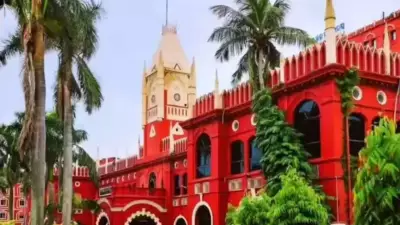
Samim has experience representing two candidates fielded in elections by Congress and Aam Janata Unnayan Party (AJUP): Motab Shaikh from Farakka and Kechhabuddin Sekh from Kaliganj. In Motab's case, Samim physically appeared at Bichar Bhawan, where documents were provided, leading to the restoration of Motab's name and enabling him to stand as a candidate.
Citing a Supreme Court order from September 8, 2025, former Justice T S Sivagnanam observed that Aadhaar cards can be accepted as supporting documents. Although not proof of citizenship, it is "one of the documents enumerated for the purpose of establishing the identity of a person."
Varied Hearing Methods and Suggestions for Improvement
In Kechhabuddin's case, Samim was given a conference call link to present his client's case, with Kechhabuddin present during the hearing. Ultimately, his name was directed to be included as documents clearly showed he is a permanent resident of Nadia's Hat Gobindapur village.
Samim proposed that an online platform be established for uploading orders, noting that even in a petition filed in the Supreme Court on Monday, counsel cited Motab's case as a precedent. Despite the formation of a three-member panel comprising former CJ T S Sivagnanam, Justice Pradipta Roy, and Justice Pranab Kumar Deb by CJ Sujoy Paul after a Supreme Court order on April 7 to develop Standard Operating Procedures (SOPs), deleted electors remain confused about how they will be called for hearings. Currently, they only have an 'appeal number' sent to their registered mobile via SMS.