Kolkata Voter Roll Confusion: Deleted Electors and Lawyers in the Dark Over Tribunal Process
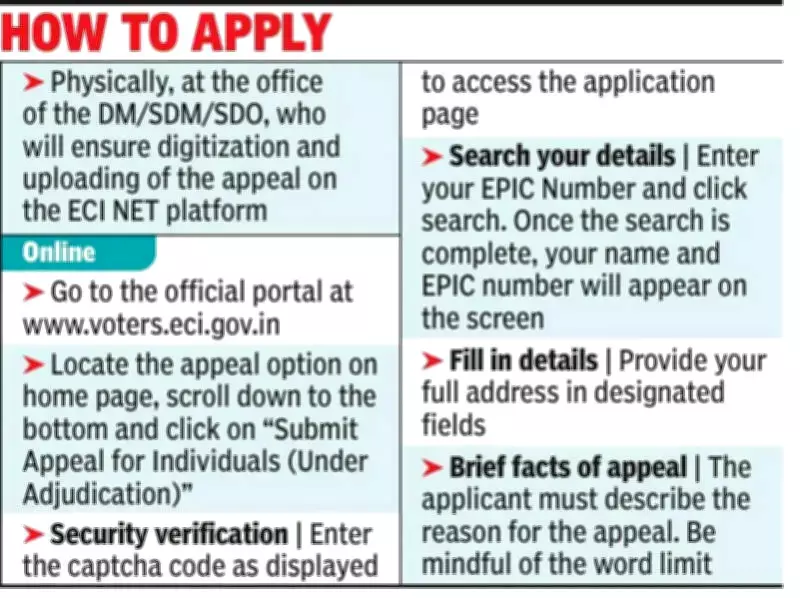
In Kolkata, a significant lack of clarity surrounds the appellate tribunal process for voters whose names have been deleted from the electoral roll. Not a single applicant or their legal representatives appears to have any clear understanding of the steps required to potentially restore their voting rights. This confusion persists despite the tribunals beginning operations, leaving affected individuals in a state of uncertainty and frustration.
Personal Struggles Highlight Systemic Issues
Haridevpur resident Aloke Basu exemplifies this predicament. He visited the Dr Syama Prasad Mookherjee National Institute of Water and Sanitation in Joka on both Sunday and Monday, hoping the tribunal would address his case where his surname was incorrectly recorded as 'Bose', leading to his deletion. To date, he has received no communication regarding a hearing date.
"I have contacted my Booth Level Officer, but he doesn't know anything," Basu stated. "Many neighbors who were also deleted are in touch, wondering if we will be called for hearings. We have no idea if our cases will be heard or if our fate depends on the same flawed logic that caused our deletion initially."

Legal Experts Criticize Lack of Transparency
Raghunath Chakraborty, a lawyer providing extensive pro bono legal advice to deleted voters in Howrah, pointed out a critical gap. "They could have established a website listing hearing dates," he suggested. Lawyers like Chakraborty and advocate Saikat Thakurata have been assisting economically disadvantaged individuals in filing appeals and representing them without charge.
Although 16 tribunals reportedly started functioning from Monday, as per Chief Justice Sujoy Paul's letter to the Supreme Court, both deleted electors and their legal counsel remain confused about how hearings will be scheduled and where tribunal orders can be accessed.
Supreme Court Observations and Procedural Ambiguities
During an April 6 hearing at the Supreme Court, Chief Justice Surya Kant referenced CJ Paul's letter, noting that a retired chief justice had raised concerns about the procedure for providing 'personal hearings' to affected parties. Calcutta High Court advocate Firdous Samim elaborated on this ambiguity.
"There is no clarity on how applicants will be summoned," Samim explained. "Will it be a personal hearing, or will the tribunal merely review submitted documents? Interestingly, applicants are also unaware which documents will be provided to the tribunal."
Samim has experience representing two election candidates: Motab Shaikh from Farakka (Congress) and Kechhabuddin Sekh from Kaliganj (Aam Janata Unnayan Party). For Motab, Samim physically appeared at Bichar Bhawan, submitted documents, and successfully restored his name, allowing him to stand as a candidate.
Case Studies Reveal Inconsistent Approaches
Citing a Supreme Court order from September 8, 2025, former Justice T S Sivagnanam observed that Aadhaar cards could be accepted as supporting documents. While not proof of citizenship, they are recognized as one of the documents for establishing identity.
In Kechhabuddin's case, Samim was given a conference call link to present his client's arguments, with Kechhabuddin present during the hearing. His name was ultimately ordered for inclusion after documents confirmed his permanent residency in Nadia's Hat Gobindapur village.
Samim proposed an online platform for uploading orders, noting that Motab's case was cited as a precedent in a Supreme Court petition filed on Monday. Despite the formation of a three-member panel—comprising former CJ T S Sivagnanam, Justice Pradipta Roy, and Justice Pranab Kumar Deb—by CJ Sujoy Paul following an April 7 Supreme Court order to establish Standard Operating Procedures, deleted electors remain bewildered about hearing summons.
Currently, all they possess is an 'appeal number' sent via SMS to their registered mobile numbers, offering little guidance on the path forward. This ongoing confusion underscores the need for more transparent and accessible procedures in the voter restoration process.