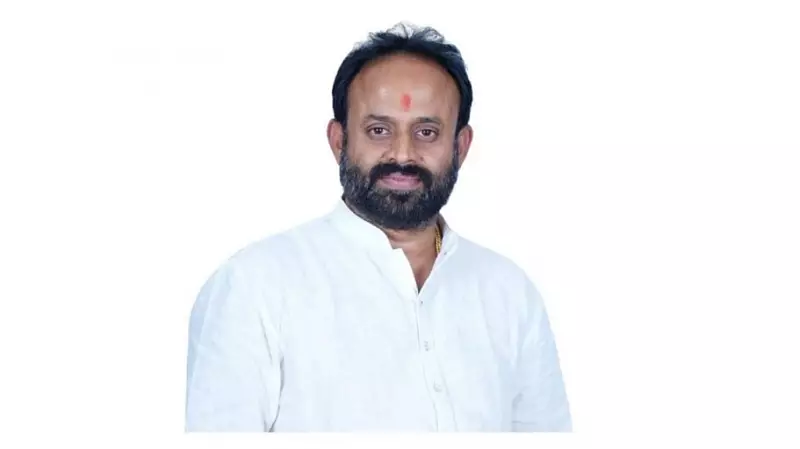
KPCC Takes Disciplinary Action, Expels Rajeev Gowda Over Shidlagatta Incident
The Karnataka Pradesh Congress Committee (KPCC) has made a decisive move by expelling Rajeev Gowda from the party, following his alleged involvement in the controversial Shidlagatta incident. This action underscores the party's commitment to maintaining discipline and upholding ethical standards within its ranks, as it navigates the complex political landscape of Karnataka.
Details of the Shidlagatta Incident and Its Fallout
The Shidlagatta incident, which has sparked significant public and political attention, involved events that led to serious allegations against Rajeev Gowda. While specific details of the incident remain under scrutiny, it is reported to have raised concerns about conduct and adherence to party principles. The KPCC's decision to expel Gowda comes after a thorough review of the matter, highlighting the party's zero-tolerance policy towards actions that could tarnish its image or disrupt harmony.
This expulsion is not just a punitive measure but also a strategic move by the Congress party in Karnataka to reinforce its stance on accountability. By taking such a firm step, the KPCC aims to send a clear message to its members and the public about the importance of integrity in political engagements. The incident has also prompted discussions within political circles about the broader implications for party dynamics and electoral strategies in the state.

Political Repercussions and Future Implications
The expulsion of Rajeev Gowda is expected to have ripple effects across Karnataka's political spectrum. As a prominent figure, his removal could influence party loyalties and voter perceptions, especially in the context of upcoming elections. The Congress party, by acting swiftly, seeks to mitigate any potential damage to its reputation and to consolidate support among its base.
Moreover, this development highlights the ongoing challenges faced by political parties in balancing internal discipline with external pressures. The KPCC's action may set a precedent for how similar incidents are handled in the future, emphasizing the need for transparent and fair disciplinary processes. Observers note that such moves are crucial for maintaining public trust and ensuring that political entities remain accountable to the people they serve.
In conclusion, the KPCC's expulsion of Rajeev Gowda over the Shidlagatta incident marks a significant moment in Karnataka's political narrative. It reflects the party's efforts to uphold ethical standards and navigate the complexities of state politics, with potential long-term impacts on its organizational structure and electoral prospects.