

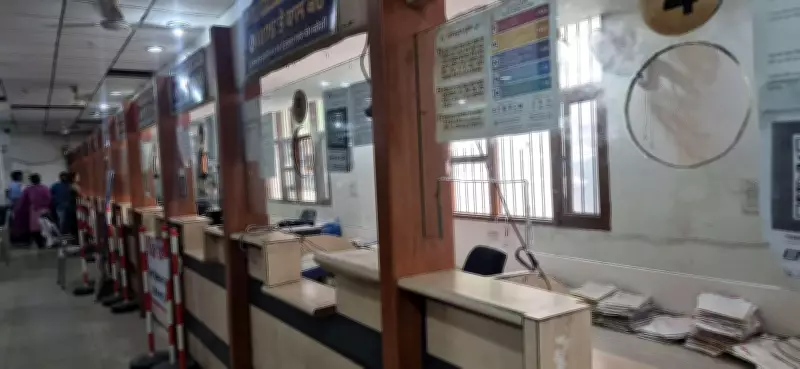
A district-wide labour dispute in Ludhiana has escalated into public chaos as officials began terminating striking workers and hiring low-wage replacements. The walkout has led to the complete shutdown of all 41 government-run Seva Kendras across the district. These centralised hubs are responsible for processing hundreds of essential public services daily, including driving licences, property deeds, pension applications, birth and death certificates, and official identity card processing.
Strike Details and Demands
Approximately 350 irregular employees, who manage up to 300 applications per day at the main city complex and around 100 daily at rural branches, initiated the strike to protest stagnant monthly salaries ranging from ₹10,000 to ₹11,000. Satnam Singh Kaira, president of the Seva Kender Mulazam Welfare Association, highlighted the plight of the workers: “Our salaries remain stagnant while prices keep rising. It is impossible to run a household on ₹10,000. We demand equal pay for equal work and an end to the contract employment system.”
Escalation and Replacement Hiring
The labour dispute intensified when management issued contract termination notices to 14 striking workers and began interviewing replacement candidates. Police were deployed to the main district complex, forcing protesters to relocate their demonstration to a nearby public park. The service freeze has left thousands of residents stranded, with visibly frustrated citizens reporting repeated, futile trips to the centres for urgent documents, including property transfers and caste certificates required for employment and education.

Local resident Rajiv, who has tried for days to secure a property certificate, expressed his frustration: “If the staff is underpaid, the government is at fault. Why should citizens suffer like this?”
Replacement Applicants and Job Market Context
Despite the ongoing labour dispute, around 40 unemployed youths attended replacement interviews and typing tests. While applicants acknowledged the stagnant wage structure, they noted that the starting salary of ₹15,000 offered to new hires outperforms other low-wage options in the country’s highly competitive job market. The situation underscores the broader challenges of wage disparity and employment conditions in the region.






