

Ludhiana's Open House Sparks Debate on Simultaneous Development Projects
The city of Ludhiana in Punjab is currently at the center of a heated public discussion, as residents and officials grapple with the implications of multiple development projects being executed simultaneously. An open house event has brought this issue to the forefront, with citizens questioning whether this flurry of activity represents a sign of progress or a symptom of poor planning.
The Context of Concurrent Infrastructure Work
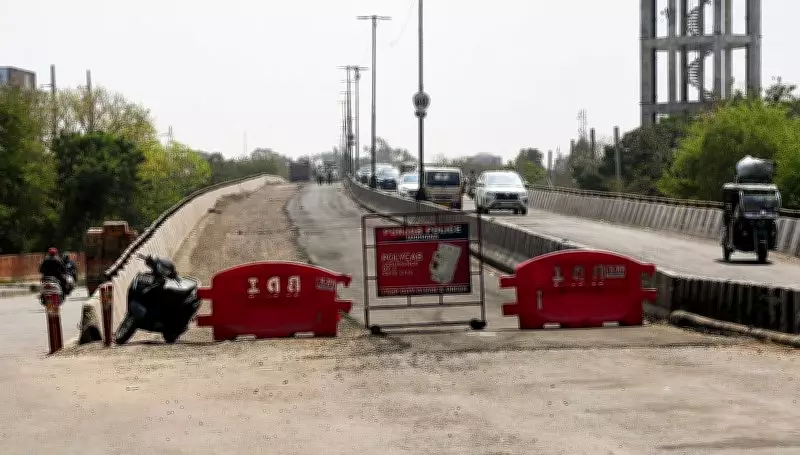
In recent months, Ludhiana has witnessed a surge in infrastructure initiatives, including road expansions, sewerage system upgrades, and public utility enhancements. These projects are part of broader urban development plans aimed at modernizing the city and improving quality of life. However, their simultaneous execution has led to significant disruptions in daily life, with traffic congestion, noise pollution, and temporary closures affecting businesses and residents alike.
Proponents argue that this approach accelerates overall development, allowing Ludhiana to catch up with other metropolitan areas more quickly. They point to potential long-term benefits such as improved connectivity, better sanitation, and enhanced public amenities. "We need to think big and act fast to transform Ludhiana into a model city," said a local official, emphasizing the urgency of these projects.

Critics Highlight Planning Deficiencies
On the other hand, critics contend that the lack of coordination among different agencies and departments is causing unnecessary chaos. They argue that staggered implementation could minimize disruptions and allow for more efficient resource allocation. "It feels like every street is dug up at the same time, with no clear timeline for completion," lamented a resident during the open house, echoing widespread frustration.
Key concerns raised include:
- Inadequate public consultation before project commencement
- Overlapping work zones leading to compounded traffic issues
- Potential for cost overruns and delays due to poor scheduling
- Impact on local businesses and emergency services access
Balancing Progress with Practicality
The debate underscores a broader challenge in urban governance: how to balance ambitious development goals with practical considerations for citizen welfare. Experts suggest that better planning mechanisms, such as integrated project management systems and regular stakeholder meetings, could help mitigate these issues. "Simultaneous projects can be a boon if managed well, but they risk becoming a burden without proper oversight," noted an urban planner involved in the discussion.
Looking ahead, Ludhiana's experience may serve as a case study for other Indian cities undergoing rapid urbanization. The outcome of this open house dialogue could influence future policy decisions, potentially leading to more phased approaches or enhanced coordination protocols. For now, the city remains a living laboratory of development dynamics, with its residents keenly observing whether the current strategy will yield the promised progress or highlight deeper planning flaws.






