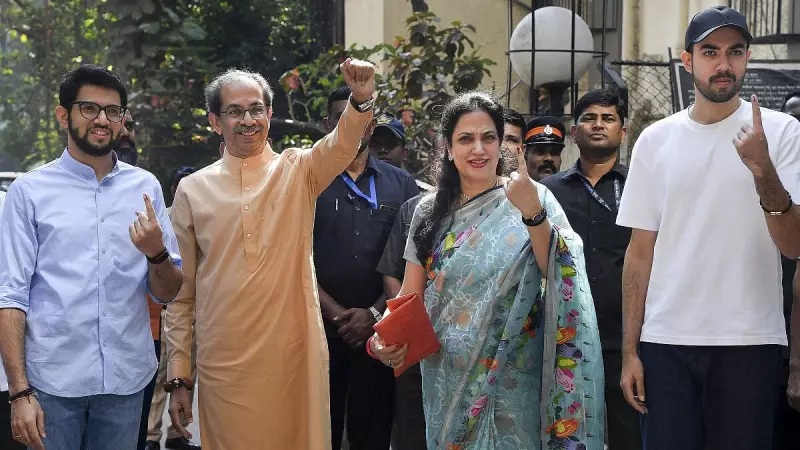
Maharashtra Civic Polls: SEC Opens Nail Polish Agency Amid Indelible Ink Controversy
The Maharashtra State Election Commission has taken an unusual step in the lead-up to the civic polls. It has opened a nail polish agency. This move aims to address issues with indelible ink used for voter identification. However, it has sparked a political storm.
Uddhav Thackeray Slams Poll Body Over Ink Row
Shiv Sena (UBT) chief Uddhav Thackeray has strongly criticized the State Election Commission. He accuses the poll body of mismanaging the indelible ink process. Thackeray claims this could lead to electoral malpractices. He expressed his concerns publicly, demanding better oversight.
The controversy centers on the quality and application of the ink. Voters mark their fingers with it to prevent multiple voting. Reports suggest inconsistencies in how the ink is being used. This has raised doubts about the integrity of the upcoming elections.

Details of the Nail Polish Agency Initiative
The SEC's new agency focuses on nail polish as an alternative or supplement to traditional ink. Officials say this could provide a more reliable marking method. They argue it might reduce smudging and fading issues. The agency will oversee production and distribution for the polls.
Critics question the timing and necessity of this move. They point out that indelible ink has been used for decades in Indian elections. Some see it as a distraction from more pressing electoral concerns. Others worry about potential health or logistical problems with nail polish.
Political Reactions and Broader Implications
Uddhav Thackeray's criticism reflects broader political tensions in Maharashtra. His party has been vocal about election fairness. The ink row adds to existing disputes over poll preparations. It highlights the challenges of conducting smooth civic elections.
The State Election Commission defends its actions. It states that all measures are taken to ensure free and fair polls. The commission emphasizes its commitment to transparency. It urges political parties to cooperate rather than create controversies.
This incident underscores the importance of voter identification in Indian democracy. Reliable methods are crucial to prevent fraud. The debate over ink versus nail polish shows ongoing efforts to improve electoral processes. However, it also reveals how such technical issues can become politicized.
As the civic polls approach, all eyes are on Maharashtra. The outcome could influence local governance significantly. The SEC's handling of this situation will be closely watched. Voters and politicians alike await further developments.