Maharashtra Civic Polls: Revisiting the 2017 Ulhasnagar Municipal Election
The 2017 election for the Ulhasnagar Municipal Corporation in Maharashtra marked a significant moment in the state's civic politics. Voters turned out in large numbers to decide the future of their local governance. Political parties campaigned vigorously across the city, focusing on key issues like infrastructure, water supply, and urban development.
Key Highlights from the 2017 Election
Several major parties contested the election, including the Shiv Sena, Bharatiya Janata Party (BJP), and Indian National Congress. The competition was fierce, with each group presenting distinct manifestos to attract voters. Campaign rallies and public meetings dominated the pre-election period, highlighting the importance of local issues.
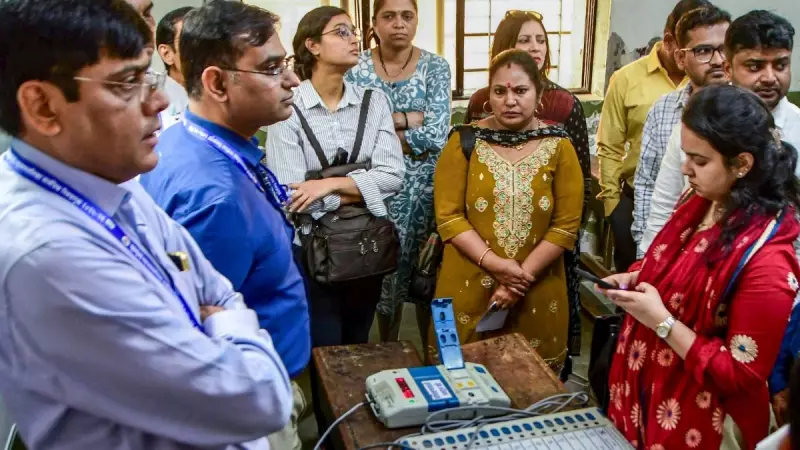
On election day, polling stations across Ulhasnagar witnessed a steady flow of voters. The election process proceeded smoothly, with minimal reports of disruptions. Officials worked diligently to ensure a fair and transparent voting experience for all residents.

Election Results and Their Implications
The results revealed a closely contested battle, with no single party securing an absolute majority. This outcome led to strategic alliances and negotiations among the leading groups. The post-election scenario saw the formation of a coalition to govern the municipal corporation.
This election had broader implications for Maharashtra's civic landscape. It demonstrated the growing importance of local governance in state politics. The results influenced subsequent policy decisions and development projects in Ulhasnagar.
Lessons Learned and Future Outlook
The 2017 election provided valuable insights into voter behavior and political dynamics in urban Maharashtra. It underscored the need for effective civic management and responsive leadership. As Maharashtra prepares for future civic polls, the experiences from Ulhasnagar serve as a reference point.
Looking ahead, the focus remains on improving municipal services and addressing citizen concerns. The lessons from 2017 continue to shape political strategies and governance approaches in the region.