

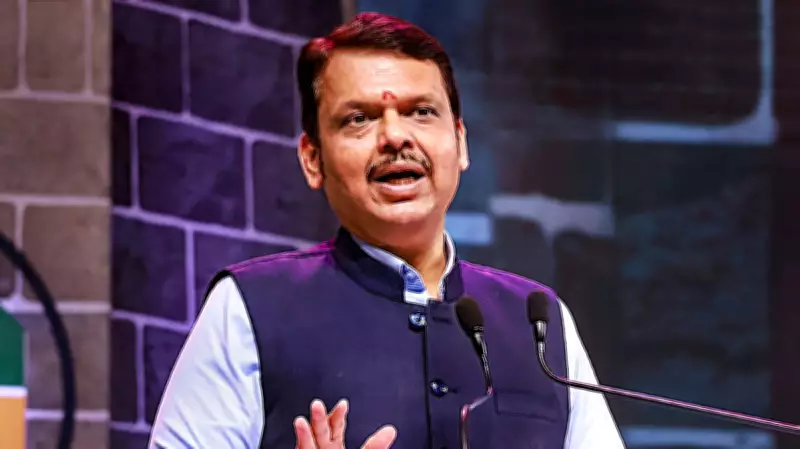
Maharashtra Introduces Freedom of Religion Bill 2026 in State Assembly
The state of Maharashtra has taken a significant legislative step by introducing the Freedom of Religion Bill 2026 in its assembly. This bill is designed to regulate religious conversions, aiming to establish legal frameworks and oversight for such practices within the state.
Aligning with Other Indian States on Conversion Laws
With this move, Maharashtra will join a growing list of Indian states that have already enacted similar laws to regulate religious conversions. These states include Uttar Pradesh, Gujarat, Madhya Pradesh, Karnataka, and Uttarakhand, all of which have implemented their own versions of anti-conversion legislation in recent years.
The introduction of this bill reflects a broader trend across India, where several state governments are adopting measures to monitor and control religious conversion activities. Proponents argue that such laws are necessary to prevent forced or fraudulent conversions, while critics often raise concerns about potential infringements on religious freedom and minority rights.

Key Provisions and Implications of the Bill
Although specific details of the Maharashtra Freedom of Religion Bill 2026 are still emerging from the assembly discussions, it is expected to include provisions similar to those in other states. These typically involve requirements for prior notice to district authorities before any conversion, penalties for violations, and mechanisms to investigate alleged forced conversions.
The bill's introduction marks a pivotal moment in Maharashtra's legislative agenda, potentially impacting religious communities and social dynamics within the state. It comes amid ongoing national debates about the balance between religious freedom and state regulation in India's diverse society.
As the bill progresses through the assembly, further debates and amendments are anticipated, with stakeholders from various political and religious groups likely to voice their opinions. The outcome could set a precedent for other states considering similar measures in the future.






