

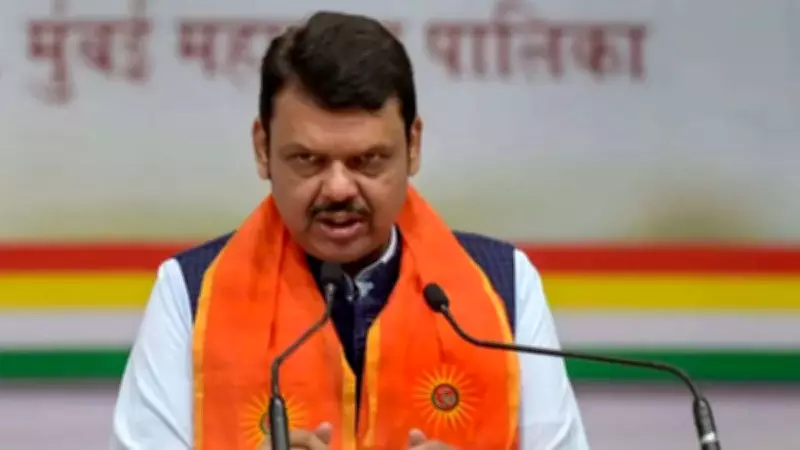
Maharashtra Government Tables Freedom of Religion Bill 2026 to Combat Illegal Conversions
The Maharashtra government has taken a significant legislative step by introducing the Freedom of Religion Bill 2026 in the state assembly. This new bill is specifically designed to curb illegal religious conversions that occur through force, fraud, or allurement, marking a proactive move to regulate religious practices and ensure voluntary faith transitions.
Key Provisions and Objectives of the Bill
The Freedom of Religion Bill 2026 outlines clear provisions to address unauthorized conversions. It defines illegal conversions as those carried out by means of coercion, deception, or material inducements. The bill mandates that individuals seeking to convert must provide prior notice to a district magistrate, ensuring transparency and oversight in the process.
Penalties for violations are stringent, with provisions for imprisonment and fines for those found guilty of facilitating illegal conversions. This includes religious leaders or organizations involved in such activities. The bill also emphasizes protection for vulnerable groups, such as women and minors, who may be targeted for conversion.

Political and Social Context
This legislative move comes amid ongoing debates over religious freedom and conversion laws in India. Maharashtra, being a diverse state with multiple religious communities, has seen discussions on regulating conversions to prevent exploitation and maintain social harmony. The bill aligns with similar laws enacted in other Indian states, reflecting a broader trend in state-level governance.
The introduction of this bill is expected to spark further political discourse, with supporters arguing it safeguards religious autonomy and opponents raising concerns about potential misuse to restrict legitimate religious activities. Public reactions are mixed, highlighting the complex interplay between law, religion, and individual rights in contemporary society.
Implementation and Future Implications
Once passed, the Freedom of Religion Bill 2026 will require robust enforcement mechanisms, including training for law enforcement agencies and awareness campaigns to educate the public about its provisions. The bill's impact on interfaith relations and legal precedents will be closely monitored as it moves through the legislative process.
In summary, the Maharashtra Freedom of Religion Bill 2026 represents a critical effort to balance religious freedom with the need to prevent illegal conversions, setting a precedent for other states to consider similar measures in the future.






