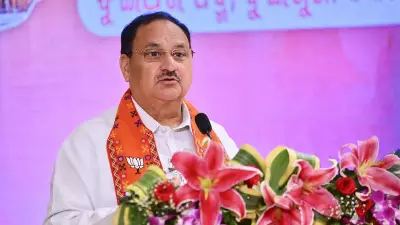
The Maharashtra state government has officially declared a three-day period of state mourning following the tragic passing of Deputy Chief Minister Ajit Pawar. The veteran Nationalist Congress Party leader lost his life in a devastating plane crash on Wednesday morning in Baramati, sending shockwaves across the political landscape.
A Tragic Incident Claims Multiple Lives
Along with Deputy Chief Minister Ajit Pawar, four other individuals tragically perished in the incident. The casualties included Pawar's personal security officer, a close aide, and two crew members comprising both the pilot in command and the first officer. This unfortunate event has left the state in profound grief and mourning.
Family and Immediate Aftermath
Ajit Pawar is survived by his wife Sunetra Pawar, who currently serves as a Rajya Sabha member, and their two sons, Parth and Jay. In response to this national tragedy, the Maharashtra government has announced a public holiday on Wednesday and declared three consecutive days of state mourning as a mark of respect for the departed leader.

Banking Operations Amidst Mourning Period
Many citizens have been inquiring whether banks will be closed in Maharashtra during the mourning period. According to official sources, there is no specific notification declaring bank closures as part of the state mourning declaration. However, financial institutions typically follow the Reserve Bank of India's predetermined holiday calendar rather than state-declared mourning periods.
Scheduled Bank Holidays in Maharashtra
For the month of January 2026, banks in Maharashtra have already observed closures on two occasions: January 15 for municipal elections and January 26 for Republic Day celebrations. Looking ahead to February, banking institutions will only close on February 19 in observance of Chhatrapati Shivaji Maharaj Jayanti, in addition to the regular second and fourth Saturdays and all Sundays throughout the month.
Nationwide Banking Disruptions Continue
Meanwhile, banking operations across several regions of India faced significant disruptions on Tuesday due to a nationwide strike organized by the United Forum of Bank Unions. The industrial action was called to demand the immediate implementation of a five-day work week for bank employees, following unsuccessful conciliation talks with the Chief Labour Commissioner on January 23.
Impact of Banking Strike
The United Forum of Bank Unions represents nine different unions comprising both officers and employees from various banking institutions. Approximately eight lakh staff members from public sector banks participated in the strike action, resulting in substantial operational challenges. According to reports, cheque clearances worth nearly Rs 4 lakh crore were stalled, while cash transactions including deposits and withdrawals faced considerable delays.
Additional banking operations such as bill trading, bill discounting, and treasury functions were suspended at numerous public sector banks during the strike period. C H Venkatachalam, General Secretary of the All India Bank Employees Association, confirmed these disruptions to press agencies, noting the widespread impact on financial services across the country.
Ongoing Negotiations and Proposals
Rupam Roy, General Secretary of the All India Bank Officers' Confederation, provided context regarding the longstanding negotiations. He revealed that discussions held in December 2023 had resulted in a tentative understanding to extend weekday working hours by 40 minutes from Monday through Friday, with remaining Saturdays designated as holidays. Despite this proposal being formally submitted to government authorities, it has remained pending approval for approximately two years, leading to the current industrial action.
The combination of the tragic political loss and ongoing banking sector challenges creates a complex scenario for Maharashtra residents, who must navigate both emotional tributes and practical financial considerations during this difficult period.