

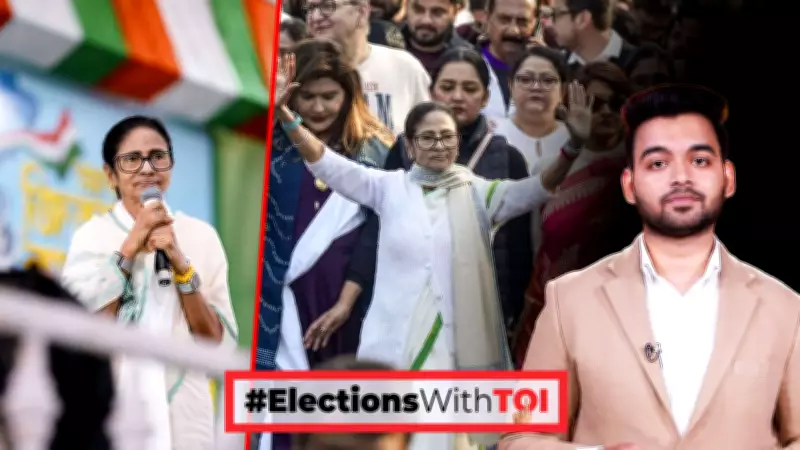
Mamata Banerjee's Political Journey: From Street Protests to State Power
Mamata Banerjee's political career is a remarkable saga of resilience and grassroots mobilization, spanning decades from the turbulent 1970s to her current role as West Bengal's Chief Minister. Her journey began in student politics, where she first honed her skills in activism and public engagement.
Early Career and Parliamentary Entry
Banerjee entered the national political arena in 1984 when she was elected to Parliament, marking the start of her formal involvement in governance. Initially aligned with the Congress party, she later made a pivotal decision to break away, founding the Trinamool Congress in 1997. This move was driven by her desire for greater autonomy and a more focused approach to addressing local issues in West Bengal.
Mass Movements and Political Identity
Her political identity was profoundly shaped by mass movements, most notably the Singur and Nandigram agitations. These protests against land acquisition for industrial projects galvanized public support and played a crucial role in challenging the long-standing Left Front government. The widespread discontent fueled by these movements culminated in the historic 2011 state elections, ending 34 years of Left rule in West Bengal and propelling Banerjee to the position of Chief Minister.

Consolidation of Power and Welfare Politics
Since assuming office, Mamata Banerjee has consolidated her political position through a strong emphasis on welfare politics and maintaining a deep connection with grassroots communities. Her administration has implemented various social programs aimed at improving healthcare, education, and economic opportunities for marginalized groups, reinforcing her popularity among voters.
Current Challenges and the 2026 Elections
Ahead of the 2026 state elections, Banerjee faces one of her toughest political tests yet. The political landscape in West Bengal has become increasingly competitive, with the Bharatiya Janata Party (BJP) emerging as a significant challenger. Key issues such as economic development, law and order, and regional autonomy are at the forefront of the electoral debate, making this a critical period for her leadership and the future of the Trinamool Congress.
Her ability to navigate these challenges will determine whether she can sustain her influence and continue shaping West Bengal's political trajectory in the years to come.






