

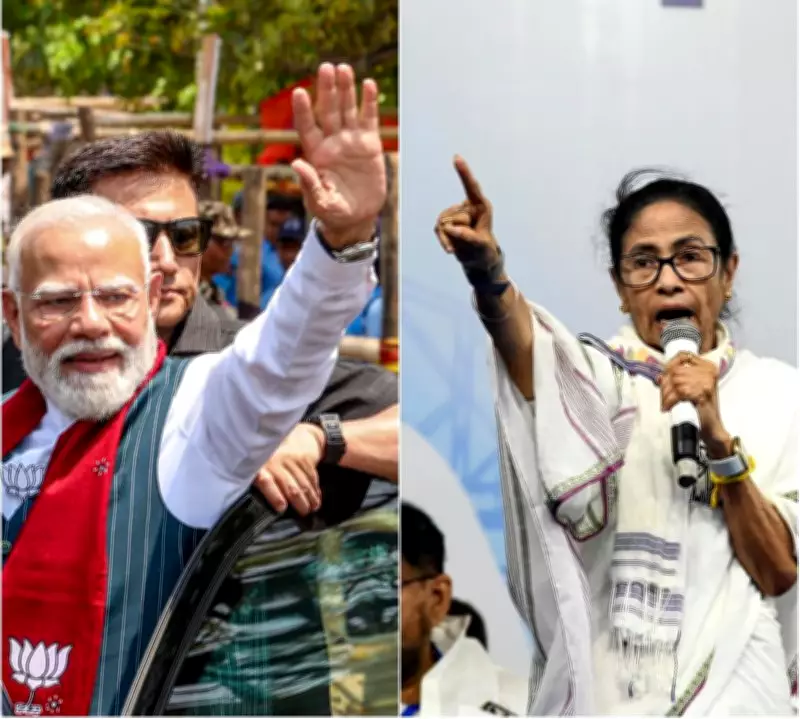
Mamata Banerjee's Decisive Moment: A Political Crossroads in West Bengal
West Bengal Chief Minister Mamata Banerjee is currently navigating a pivotal phase in her political journey, with her actions and choices poised to define her legacy and the state's future trajectory. As the leader of the Trinamool Congress (TMC), she stands at a critical juncture where strategic decisions on alliances, governance, and public perception will have far-reaching implications.
The Political Landscape and Rising Challenges
The political environment in West Bengal has become increasingly complex, marked by intense competition from national parties and shifting voter sentiments. Banerjee's administration faces mounting pressure on several fronts, including economic development, law and order, and social welfare programs. Her ability to address these issues effectively is under scrutiny, as opponents capitalize on any perceived weaknesses.
Recent electoral performances and by-poll results have highlighted the need for Banerjee to reassess her party's strategies and outreach. The Bharatiya Janata Party (BJP) has emerged as a formidable challenger, making significant inroads in the state and altering the traditional political dynamics. This has forced the TMC to adapt and innovate to maintain its dominance.

Alliance Dynamics and Strategic Moves
One of the key aspects of Banerjee's decisive moment revolves around her approach to political alliances. Historically, she has positioned herself as a staunch opponent of the BJP, while also maintaining a cautious distance from the Indian National Congress and other regional players. However, the evolving political scenario may necessitate a reevaluation of this stance.
- National Alliances: Banerjee's role in potential opposition coalitions at the national level could influence her state-level strategies and vice versa.
- Regional Partnerships: Collaborations with other regional parties might offer tactical advantages in countering the BJP's growth.
- Internal Party Cohesion: Ensuring unity within the TMC is crucial, as internal dissent could undermine her authority and electoral prospects.
Her decisions in this realm will not only impact West Bengal's political alignment but also her standing as a national leader capable of shaping broader opposition narratives.
Governance and Public Perception
Beyond politics, Banerjee's governance record is a central element of this decisive phase. Key areas of focus include:
- Economic Policies: Initiatives to boost industrial growth, create jobs, and attract investments are vital for sustaining development.
- Social Welfare: Programs targeting healthcare, education, and poverty alleviation must deliver tangible results to retain public trust.
- Administrative Efficiency: Improving bureaucratic responsiveness and reducing corruption allegations can enhance her government's credibility.
Public perception of her administration's performance will play a significant role in upcoming elections. Banerjee's ability to communicate her achievements and address criticisms effectively will be tested, as media scrutiny and opposition campaigns intensify.
Legacy and Future Implications
This decisive moment is not just about immediate political survival but also about cementing Banerjee's legacy as a transformative leader in West Bengal. Her tenure has been marked by populist measures and a strong grassroots connect, yet challenges like unemployment and infrastructure gaps persist.
The choices she makes now could determine whether she consolidates her position as a dominant regional force or faces a gradual decline in influence. Moreover, her actions may set precedents for other regional leaders navigating similar pressures in India's federal polity.
In conclusion, Mamata Banerjee's current crossroads represents a blend of opportunity and risk. By leveraging her experience and political acumen, she has the potential to steer West Bengal through this critical period, but missteps could have lasting repercussions for her and the state's political landscape.






