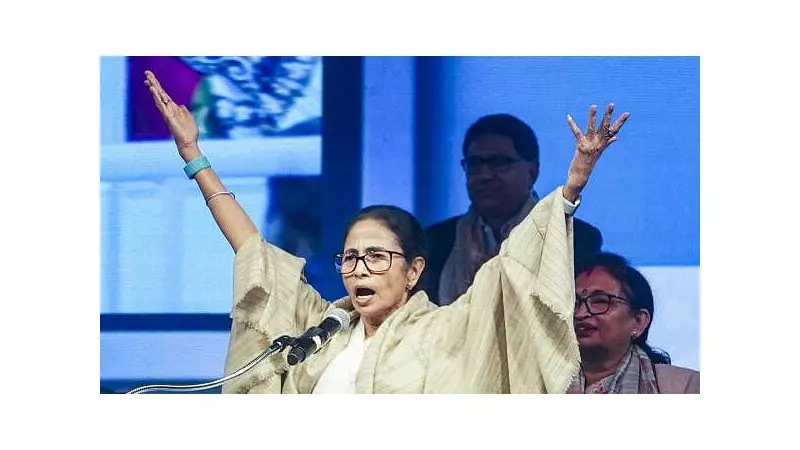
West Bengal Chief Minister Mamata Banerjee has announced her intention to approach the judiciary against the ongoing Special Intensive Revision (SIR) of electoral rolls in the state. The move comes amid a heated political clash, with Leader of the Opposition Suvendu Adhikari swiftly dismissing her allegations as mere propaganda.
Allegations of Harassment in Voter List Revision
In a serious accusation, Mamata Banerjee claimed that the process of the Special Intensive Revision is causing undue hardship to specific sections of society. She stated that elderly citizens, pregnant women, and even voters dependent on oxygen support are being summoned for hearings as part of the revision drive. The Chief Minister framed these actions as targeted harassment, suggesting an attempt to inconvenience and disenfranchise vulnerable voters ahead of crucial electoral cycles.
Political Counterattack and Dismissal
The reaction from the Bharatiya Janata Party's (BJP) Suvendu Adhikari was immediate and sharp. He categorically rejected the Chief Minister's charges, labeling them as a "baseless political narrative" designed to mislead the public. Adhikari asserted that the revision process is being carried out transparently and according to the guidelines of the Election Commission of India. He accused the Trinamool Congress (TMC) leadership of creating unnecessary controversy to deflect from other issues.
Legal Route and Escalating Tensions
By declaring the plan to move court, Mamata Banerjee is escalating the political and legal battle over the electoral roll exercise. This development, reported on January 5, 2026, underscores the deep-seated tensions between the ruling TMC and the principal opposition BJP in West Bengal. The core dispute revolves around the integrity and methodology of the voter list update, a fundamental aspect of democratic preparedness. The situation highlights the ongoing and intense political rivalry in the state, where administrative processes are often viewed through a partisan lens.
The outcome of this potential legal challenge could have significant implications for the revision process and set a precedent for how such exercises are contested in the future. With both sides digging in their heels, the controversy is likely to remain a central point of political discourse in West Bengal in the coming days.