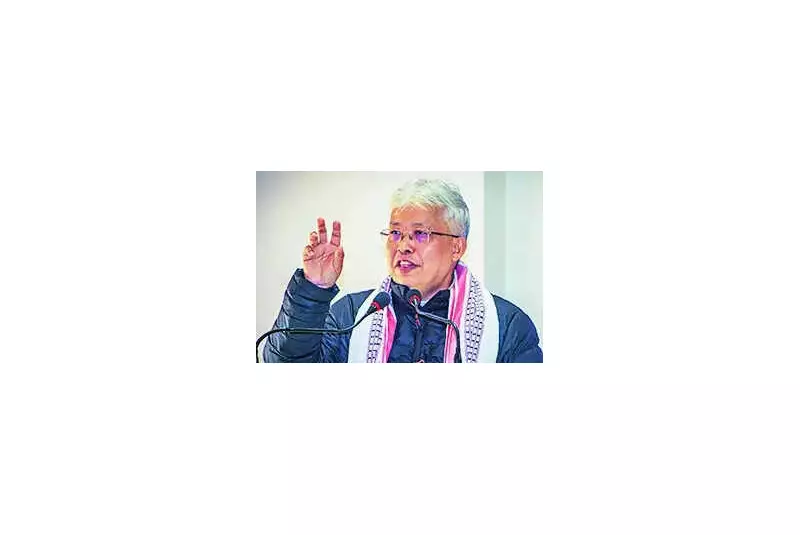
In a significant move highlighting the ongoing tensions in Manipur, Congress Member of Parliament Angomcha Bimol Akoijam has formally sought answers from the central government regarding the alleged existence of 'buffer zones' within the state. The MP from the Inner Manipur constituency filed a Right to Information (RTI) application with the Ministry of Home Affairs on Thursday, demanding official clarity on the matter.
Seeking Official Clarity Through RTI
The RTI application, addressed to the MHA, poses several critical questions. It explicitly seeks information on whether any zones have been officially declared that segregate or restrict the free movement of citizens in Manipur. Akoijam has requested copies of all related notifications, along with the specific legal provisions, laws, and executive orders under which such zones were established, if they exist. This formal step follows what the MP describes as repeated official denials about the presence of these restricted areas.
Ground Verification Prompts Action
The parliamentarian stated that his decision to file the RTI was driven by personal, on-the-ground verification. Speaking to media personnel in Imphal, Akoijam revealed that he visited areas where movement was reportedly controlled. "I went there myself and found that people were being stopped. Ordinary citizens are restricted, and even elected members are not allowed to move. This is an empirical fact," he asserted. He strongly questioned the constitutional validity of these restrictions, arguing they violate the fundamental rights of citizens guaranteed under Article 19 of the Indian Constitution, which ensures freedom of movement.

Raising Broader Concerns on Security and Violence
Beyond the immediate issue of buffer zones, Akoijam used the opportunity to raise pointed questions about the overall security situation in Manipur. He highlighted an apparent contradiction between the significant deployment of security forces and the continued scale of displacement and violence. The MP demanded to know how incidents of firing persist despite heavy security presence. He also referenced the flattening of residential colonies in Churachandpur, questioning why such destruction occurred after the initial violent phase, when authorities claimed the situation was under control in certain towns.
Emphasizing the need for foundational answers, Akoijam concluded, "Before going into Kuki, Meitei, or any community narrative, these basic questions must be answered." His action underscores the deepening concerns over administrative measures and their legal footing in the conflict-affected state, pushing for transparency and accountability from the Union government.