

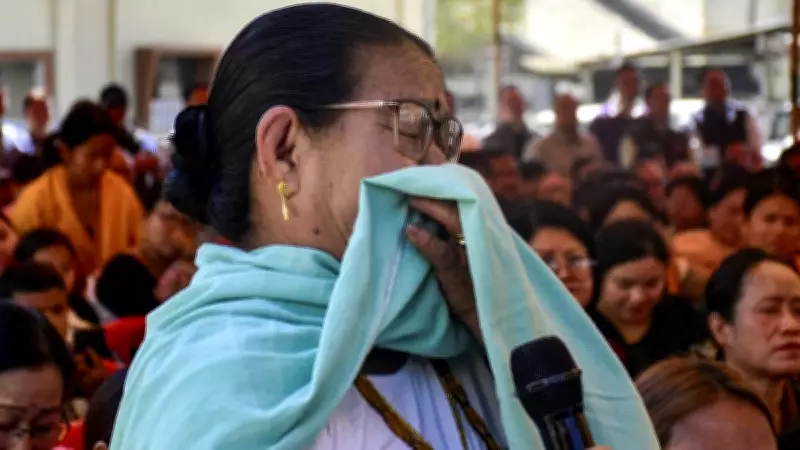
Manipur Ethnic Violence Leads to Massive Displacement Crisis
The Manipur government has officially confirmed that over 58,800 people have been displaced due to ethnic violence that erupted in the state starting in May 2023. This staggering figure underscores the severe humanitarian impact of the ongoing conflicts, which have torn apart communities and forced tens of thousands to flee their homes in search of safety.
Escalating Violence and Its Consequences
Since the initial outbreaks in May 2023, Manipur has witnessed a series of violent clashes primarily between the Meitei and Kuki ethnic groups. These conflicts have resulted in widespread destruction of property, loss of lives, and a massive internal displacement crisis. The state government's data reveals that the displacement numbers have been steadily rising, with many affected individuals taking refuge in relief camps set up across various districts.
The displacement has not only disrupted daily life but has also led to significant economic and social challenges. Families have been separated, livelihoods destroyed, and access to basic necessities like food, water, and healthcare has become increasingly difficult for those displaced. The situation remains precarious, with ongoing tensions threatening to exacerbate the crisis further.

Government Response and Relief Efforts
In response to the crisis, the Manipur government, along with central authorities, has initiated several relief measures. These include the establishment of temporary shelters, distribution of essential supplies, and efforts to restore peace through dialogue and security deployments. However, the scale of displacement has strained resources, and there are reports of inadequate facilities in some camps, leading to concerns about the well-being of the displaced population.
Key aspects of the government's response include:
- Setting up relief camps in safer areas to accommodate displaced families.
- Providing food rations, medical aid, and other essentials to those affected.
- Deploying security forces to maintain law and order and prevent further violence.
- Engaging in peace talks with community leaders to address underlying ethnic tensions.
Despite these efforts, challenges persist, including logistical issues in remote regions and the need for long-term rehabilitation plans to help displaced people rebuild their lives.
Broader Implications and Future Outlook
The displacement of over 58,800 people in Manipur highlights a deepening humanitarian crisis in India's northeastern region. This situation has drawn attention from national and international human rights organizations, calling for urgent action to protect vulnerable populations and ensure their safe return home. The ethnic violence has also raised questions about governance and conflict resolution mechanisms in the state.
Looking ahead, experts emphasize the importance of sustained peacebuilding initiatives, economic support for affected communities, and robust monitoring to prevent further displacement. The Manipur government's acknowledgment of the crisis is a critical step, but concrete actions are needed to address the root causes of the violence and provide lasting solutions for those displaced.
As the situation evolves, continued reporting and advocacy will be essential to keep the spotlight on this crisis and push for effective interventions to alleviate the suffering of thousands of displaced individuals in Manipur.






