Marathi Language Verification Drive for Maharashtra Taxi Drivers Begins May 1
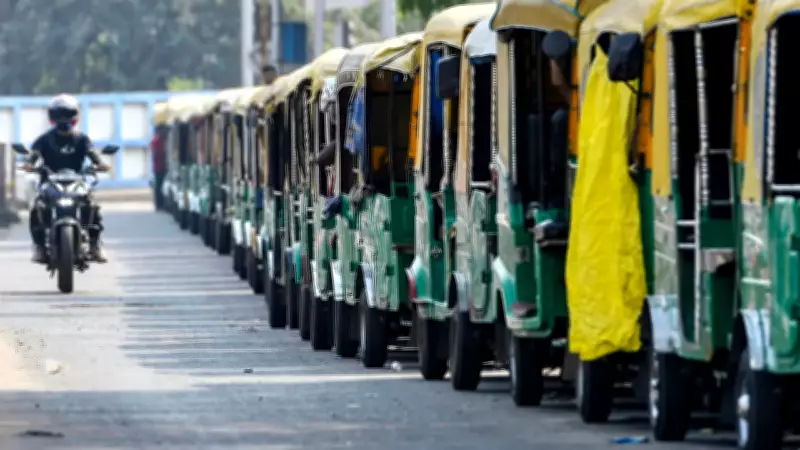
The Maharashtra transport department has announced a comprehensive verification drive targeting licensed autorickshaw and taxi drivers across the state, mandating demonstrated knowledge of Marathi language skills starting from May 1, 2024. This initiative will be implemented through 59 regional and sub-regional transport offices statewide, marking a significant enforcement push of existing language requirements.
Strict Language Requirements and Enforcement Warnings
Transport Minister Pratap Sarnaik has clarified that drivers must now prove their ability to both read and write Marathi, not merely possess conversational familiarity. The minister issued a stern warning that licenses of drivers failing to meet these enhanced requirements face cancellation, emphasizing that this rule represents enforcement of long-standing provisions within the Maharashtra Motor Vehicles Rules rather than introduction of new regulations.
"It is the duty of every person to learn the language of the region in which they live for their livelihood," Sarnaik stated, adding that while individuals should take pride in their mother tongues, they must equally respect the official language of the state where they work professionally.

Driver Unions Mount Legal Challenge Threats
The verification drive has triggered immediate backlash from multiple drivers' unions across Maharashtra, with several organizations threatening legal action to block implementation. Union leaders argue the move exceeds legal requirements and threatens thousands of livelihoods in the transportation sector.
"If any action is taken and badges or licenses are cancelled, we will challenge it in court," declared one union leader speaking to media outlets. The opposition centers on interpretation of existing rules, which unions contend require only "working knowledge" of Marathi rather than formal testing of reading and writing proficiency.
Concerns Over Corruption and Implementation
Beyond legal challenges, union representatives have raised serious concerns about potential corruption stemming from the verification process. One leader specifically warned that the initiative could create opportunities for bribery, with enforcement officials potentially accepting payments to certify non-Marathi speakers as compliant.
DA Salian from the Mumbai Taxi Association emphasized the human impact, noting: "People have been driving taxis for many years and it will be improper to randomly cancel badges or licenses on language issues. The minister cannot implement such a rule across the state for all drivers already in the profession; families depend on them."
Passenger Complaints and Government Justification
The transport department cites numerous passenger complaints from major urban centers including the Mumbai Metropolitan Region, Chhatrapati Sambhajinagar, and Nagpur as justification for the enhanced enforcement. According to official statements, passengers have reported that many drivers either cannot communicate effectively in Marathi or deliberately avoid using the local language during service interactions.
Minister Sarnaik has also issued warnings to transport officials themselves, threatening strict disciplinary action against any personnel found bypassing rules or improperly issuing licenses without proper language verification.
Financial Implications and Driver Anxieties
Individual drivers have expressed deep concerns about the financial consequences of potential license cancellations. One autorickshaw driver from Mumbai's eastern suburbs revealed his vehicle was purchased through loans, meaning cancellation of his operating badge would eliminate his income while monthly EMI payments continue unabated.
Another driver from western suburbs echoed corruption concerns, suggesting enforcement squads might exercise arbitrary judgment in determining who possesses adequate Marathi knowledge and who does not, creating uncertainty across the profession.

Existing Requirements and Union Counterarguments
Union leaders have highlighted that drivers already fulfill multiple stringent requirements during licensing, including domicile documentation, police verification, and demonstration of route knowledge for public service vehicle badges. Mumbai Rickshawmen's Union leader Thampy Kurien emphasized that "working knowledge" should mean basic Marathi necessary for professional duties rather than formal literacy testing.
The controversy sets the stage for potential legal confrontations as the May 1 implementation date approaches, with thousands of transportation sector livelihoods hanging in the balance amid conflicting interpretations of language requirements for professional drivers in Maharashtra.