

Meghalaya Government Delays Garo Hills Council Elections After Deadly Clash
The Meghalaya government has officially announced the postponement of the Garo Hills Autonomous District Council (GHADC) elections. This critical decision follows a violent clash that erupted in the region, leading to the tragic deaths of two individuals. The incident has heightened tensions and prompted authorities to reassess the electoral timeline to ensure public safety and order.
Violence Sparks Election Suspension
The clash, which occurred amidst rising political unrest, involved groups with opposing views on the eligibility of candidates for the council polls. Reports indicate that the confrontation turned violent, resulting in fatalities and injuries. In response, the state administration, prioritizing security and stability, has opted to delay the elections indefinitely. This move aims to prevent further escalation and allow for a thorough investigation into the incident.
Tribal Demands and Constitutional Context
At the heart of the controversy are demands from tribal communities to bar non-tribals from contesting the GHADC elections. The Garo Hills Autonomous District Council was established under the Sixth Schedule of the Indian Constitution, which is specifically designed to safeguard the interests and welfare of tribal populations in certain regions. Tribal groups argue that allowing non-tribals to participate undermines this constitutional mandate, as the council's primary purpose is to address tribal development and autonomy.

- The Sixth Schedule provides for autonomous district councils to protect tribal rights and promote their socio-economic welfare.
- Including non-tribals in elections could dilute tribal representation and decision-making power.
- Historical and cultural sensitivities in the Garo Hills region emphasize the need for exclusive tribal governance.
Government Response and Future Implications
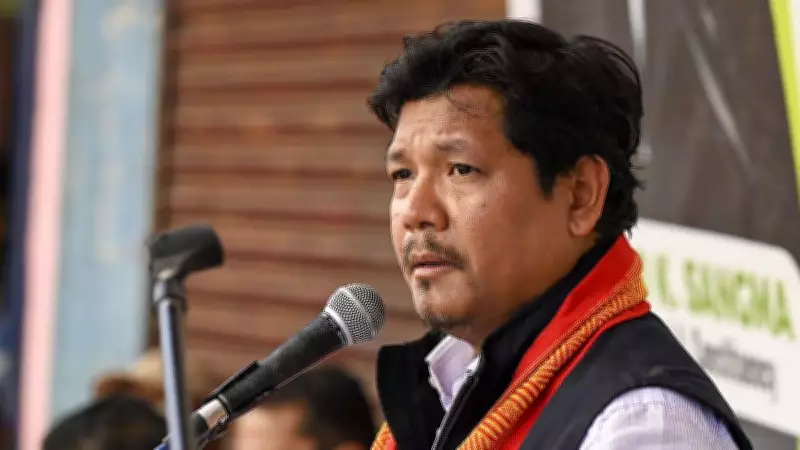
The Meghalaya government, led by Chief Minister Conrad Sangma, has acknowledged the gravity of the situation. Officials have stated that the postponement is a temporary measure to restore peace and engage in dialogue with all stakeholders. The administration plans to hold consultations with tribal leaders, political parties, and community representatives to address the eligibility criteria and other contentious issues before rescheduling the polls.
This development highlights the ongoing challenges in balancing democratic processes with constitutional protections for marginalized communities in India's northeastern states.As the situation unfolds, authorities are monitoring the region closely to prevent further violence. The postponement of the Garo Hills Council polls underscores the complex interplay between electoral politics, tribal rights, and regional security in Meghalaya.






