

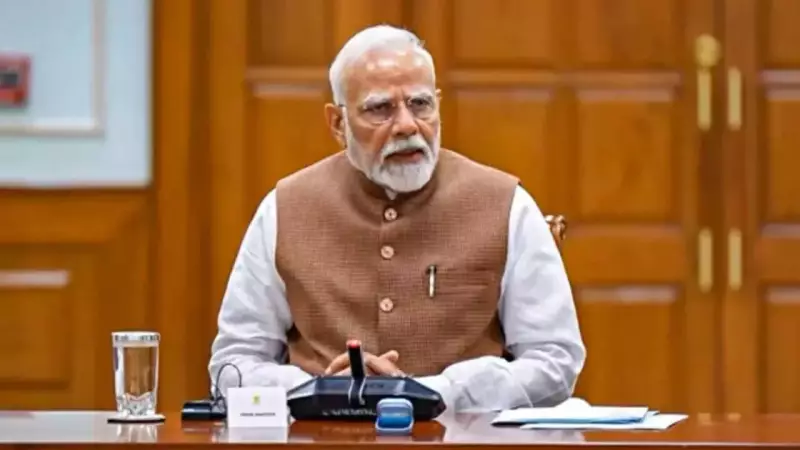
A prominent Meitei civil society organization has urgently written to Prime Minister Narendra Modi, expressing grave concerns over communications sent by a Chin Kuki Zo group to foreign governments and United Nations bodies. The group warns that this international outreach could severely undermine India's sovereignty, judicial authority, and national security amidst the ongoing crisis in Manipur.
Memorandum Flags Internationalization of Internal Issue
In a detailed memorandum dated January 3, the Meitei Heritage Society highlighted that the communications issued by the Kuki Alliance for Nampi Awakening Movement (KANAM) seek to delegitimize and internationalize a domestic judicial order. The order in question is from the National Green Tribunal (NGT), which directed an immediate halt to the construction of an allegedly illegal road in Manipur's hill areas.
This pathway, often called the German Road or Tiger Road, was reportedly built without any statutory approvals or mandatory environmental clearances. The society's letter alleges that this road is being used by Chin Kuki Zo militants or armed groups for drug trafficking and weapons smuggling.

Challenging India's Constitutional Framework
The society argued that by portraying the NGT's judicial order as "institutional violence" and "collective punishment," and projecting it as grounds for foreign intervention, the Kuki group is directly challenging India's constitutional framework. "Such actions risk setting a dangerous precedent whereby internal judicial processes are selectively escalated to foreign governments and multilateral bodies," the memorandum stated.
It urged the Prime Minister to take serious note of these foreign communications. The society has called for the Ministry of Home Affairs to undertake a comprehensive policy and security review. It also demanded a re-examination of the Suspension of Operations (SoO) agreements with Chin Kuki Zo militant groups.
Call for a Permanent and Lawful Solution
The core appeal of the memorandum is for the central government to pursue a "permanent, just and lawful solution to the Manipur crisis." This solution, it insists, must protect all indigenous communities while firmly preserving the territorial integrity of both Manipur and India. Copies of this appeal were also marked to Union Home Minister Amit Shah.
Placing the issue in a broader context, the memorandum noted that the Manipur crisis, which erupted into large-scale violence on May 3, 2023, is increasingly being framed through competing international narratives. It alleged that Chin Kuki Zo organizations have previously approached the UN, the US, and other foreign actors with what it termed as "fabricated, one-sided narratives," while using misleading tribal names.
Furthermore, the Meitei Heritage Society raised alarming questions about foreign support. It claimed that such groups have received financial and logistical support, training, and backing from foreign Christian organizations and even former US military personnel. This, the society argues, necessitates strict scrutiny by India's security agencies for potential violations of FCRA norms and has contributed to radicalization and militarization, exacerbating the crisis.






