Karnataka MLA P.M. Narendra Swamy Announces Rs 50,000 Cash Prize for Malavalli SSLC Topper
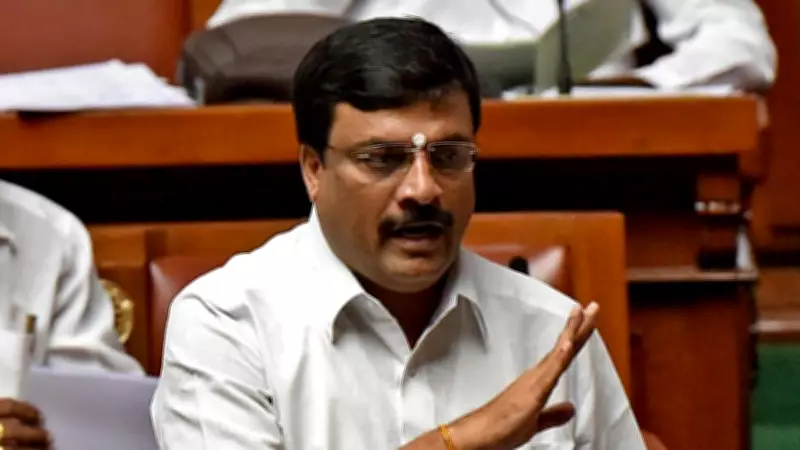
In a significant move to promote academic excellence, Karnataka MLA P.M. Narendra Swamy has declared a cash prize of Rs 50,000 for the student who achieves the highest marks in the Secondary School Leaving Certificate (SSLC) examinations from Malavalli. This announcement is part of a broader initiative to encourage students in the region to strive for top performance in their studies.
Details of the Cash Prize Announcement
The cash prize of Rs 50,000 will be awarded to the topper from Malavalli in the upcoming SSLC exams. This incentive is designed to motivate students to excel academically and recognize their hard work and dedication. The announcement was made publicly, highlighting the MLA's commitment to supporting education at the grassroots level.
Impact on Educational Motivation in Malavalli
This initiative is expected to have a positive impact on the educational landscape in Malavalli. By offering a substantial cash prize, MLA P.M. Narendra Swamy aims to:

- Boost student morale and encourage competitive spirit among learners.
- Highlight the importance of academic achievements in shaping future opportunities.
- Foster a culture of excellence in education within the community.
Such rewards can serve as a powerful motivator for students, potentially leading to improved performance in the SSLC exams and beyond.
Broader Context of Educational Support in Karnataka
This announcement aligns with ongoing efforts in Karnataka to enhance educational outcomes. The state has implemented various schemes and incentives to support students, particularly in rural and semi-urban areas. MLA P.M. Narendra Swamy's initiative adds to these efforts by providing direct financial encouragement to top performers.
Key aspects of this support include:
- Financial incentives for academic excellence to reduce economic barriers to education.
- Recognition of student achievements to inspire peers and younger generations.
- Community engagement in promoting education as a priority for development.
This move underscores the role of local leaders in driving educational initiatives that can have lasting benefits for students and society.