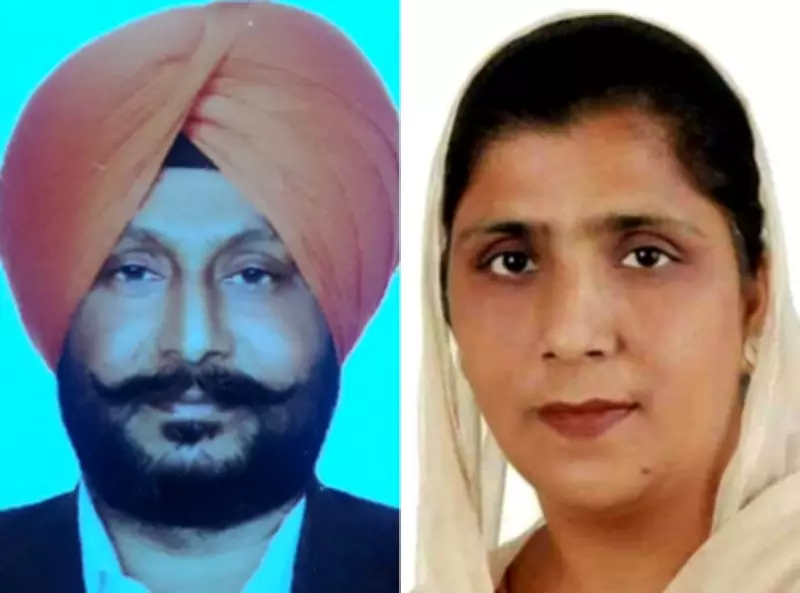
In a surprising turn of events, the nomination papers of a Punjab MLA's husband were rejected after he attempted to file his candidacy from a ward reserved for women. The incident, which took place in Ludhiana, has raised eyebrows and sparked discussions about electoral procedures and gender reservations.
Details of the Incident
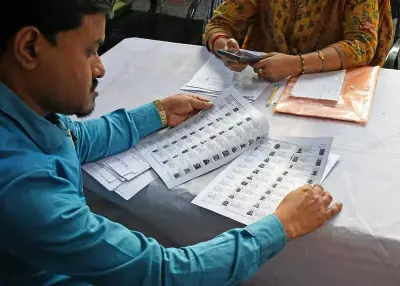
The husband of a sitting MLA from the Punjab Legislative Assembly submitted his nomination for the upcoming municipal elections. However, the returning officer rejected the papers on the grounds that the ward in question is specifically reserved for female candidates. The decision was made after a thorough scrutiny of the nomination documents.
Legal and Procedural Implications
According to election officials, the reservation policy is clear and binding. A male candidate cannot contest from a ward designated for women. The rejection was based on this fundamental rule. The candidate has the option to appeal the decision or file from a different ward that is not reserved.

This development has led to a debate on the awareness and adherence to election laws. Some political analysts argue that such incidents highlight the need for better education on reservation policies among candidates. Others view it as a deliberate attempt to test the system.
Reactions from Political Circles
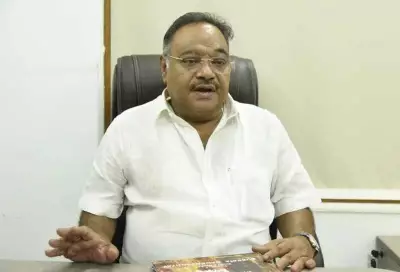
Opposition parties have seized the opportunity to criticize the ruling party, accusing them of trying to manipulate the electoral process. The MLA's husband, however, maintained that it was an honest mistake and that he would consider other options. He stated, "I respect the law and will abide by the decision of the election commission."
The ruling party has distanced itself from the incident, stating that it was an individual error and does not reflect the party's stance. They have emphasized their commitment to fair and transparent elections.
Impact on the Electoral Process
This incident serves as a reminder of the strict enforcement of reservation policies in local body elections. It also underscores the importance of proper guidance for candidates during the nomination process. The election commission has reiterated its commitment to ensuring that all nominations comply with the law.
As the municipal elections approach, this controversy may influence voter sentiment and party strategies. The rejection of a high-profile candidate's nomination could have ripple effects on the political landscape in Ludhiana.
Conclusion
The rejection of the nomination papers of a Punjab MLA's husband from a women-reserved ward has brought attention to the nuances of electoral laws. While the candidate may have had genuine intentions, the law is clear on gender reservations. This event underscores the need for vigilance and adherence to rules in the democratic process.