The Madhya Pradesh government has announced a significant plan. They intend to build a memorial at the cleaned-up Union Carbide site in Bhopal. This move commemorates the devastating 1984 gas tragedy.
A Night of Horror Remembered
On the night of December 2-3, 1984, a catastrophic event unfolded. A methyl isocyanate (MIC) gas leak occurred at the Union Carbide pesticide plant. The toxic cloud spread rapidly through the sleeping city of Bhopal.
The immediate impact was horrifying. Thousands of people lost their lives that night. Many more faced a lifelong struggle. Lakhs of survivors continue to battle debilitating illnesses even today.

The World's Worst Industrial Disaster
Historians and experts widely regard this incident as the worst industrial disaster in global history. The scale of human suffering remains unparalleled. The tragedy left deep scars on the community and the nation's consciousness.
For decades, the Union Carbide site stood as a grim reminder. It symbolized negligence and the immense cost of industrial failure. Cleanup efforts have finally made the location suitable for a new purpose.
Transforming a Site of Sorrow
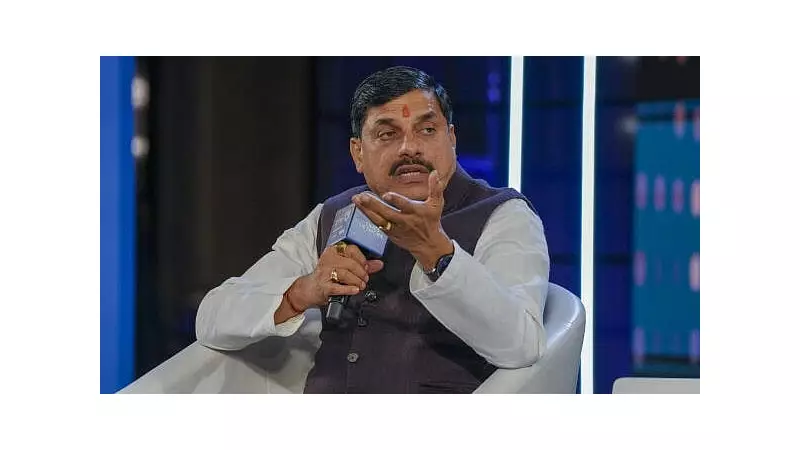
The state government, led by Chief Minister Mohan Yadav, now proposes a memorial. This structure will honor the victims and survivors. It aims to serve multiple important functions:
- Preserve the memory of those who perished.
- Acknowledge the ongoing struggles of affected families.
- Educate future generations about industrial safety.
- Transform a place of tragedy into a space for reflection.
Officials have not yet released detailed architectural plans. They also have not announced a specific timeline for construction. The announcement itself marks a pivotal moment in Bhopal's long journey toward healing.
A Legacy of Pain and Resilience
The Bhopal gas tragedy is not just a historical footnote. It is a living legacy of pain for countless families. Survivors deal with respiratory problems, cancer, blindness, and birth defects.
Legal battles for compensation and justice have spanned generations. The proposed memorial represents a formal, physical acknowledgment by the state. It is a step toward honoring a community's resilience in the face of unimaginable adversity.
This decision follows years of activism and demands from victim groups. It aligns with a global trend of creating memorials at sites of major historical trauma. The cleaned Union Carbide compound will now host a monument to remembrance, ensuring the world does not forget the lessons of that dreadful night.