MP High Court Orders Inspection of Bhojshala-Kamal Maula Site Before April 2
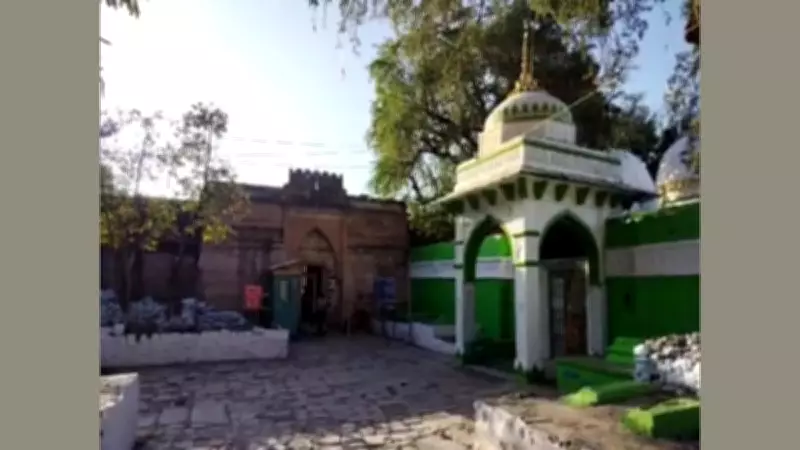
The Madhya Pradesh High Court has escalated its involvement in the contentious Bhojshala-Kamal Maula dispute by directing an inspection of the site in Dhar to be completed before April 2. This move intensifies the long-standing legal and religious conflict over the monument, which Hindus claim as the Bhojshala temple and Muslims as the Kamal Maula mosque.
Court's Directive and Legal Proceedings
The High Court's order mandates a thorough on-site examination to gather evidence and assess the current state of the disputed structure. This inspection is a critical step in the ongoing legal battle, aimed at resolving the complex historical and religious claims surrounding the site. The court has emphasized the need for a timely and impartial evaluation to facilitate a fair judicial process.
Legal experts note that this inspection could significantly influence the court's final decision, potentially setting a precedent for similar disputes across India. The proceedings have drawn national attention, highlighting the delicate balance between religious sentiments and legal frameworks in such cases.
Historical and Religious Context
The Bhojshala-Kamal Maula site has been a flashpoint for decades, with both communities asserting their rights based on historical and archaeological evidence. Hindus revere it as an ancient temple dedicated to Goddess Saraswati, while Muslims worship it as a mosque built during the medieval period. This dual identity has fueled periodic tensions and legal challenges.
Recent years have seen increased activism from both sides, with petitions and protests calling for exclusive access or recognition of their claims. The High Court's intervention comes amid heightened public interest and political scrutiny, as stakeholders await a resolution that respects both religious heritage and legal principles.
Implications and Future Steps
The inspection is expected to involve archaeologists, historians, and legal representatives to ensure a comprehensive assessment. Key aspects to be examined include architectural features, inscriptions, and any modifications made over the centuries. The findings will be submitted to the court for consideration in the ongoing hearings.
- Completion of inspection before April 2, 2026.
- Involvement of multidisciplinary experts for accuracy.
- Potential impact on similar disputed sites nationwide.
As the deadline approaches, all eyes are on Dhar, where this pivotal inspection could shape the future of one of India's most sensitive heritage disputes. The outcome may also influence broader discussions on cultural preservation and interfaith harmony in the region.