A state-funded research initiative in Madhya Pradesh, aimed at exploring traditional cow-based preparations as a potential cure for cancer, has come under intense scrutiny following allegations of significant financial mismanagement and questionable expenditures over nearly a decade.
Project Overview and The Genesis of The Probe
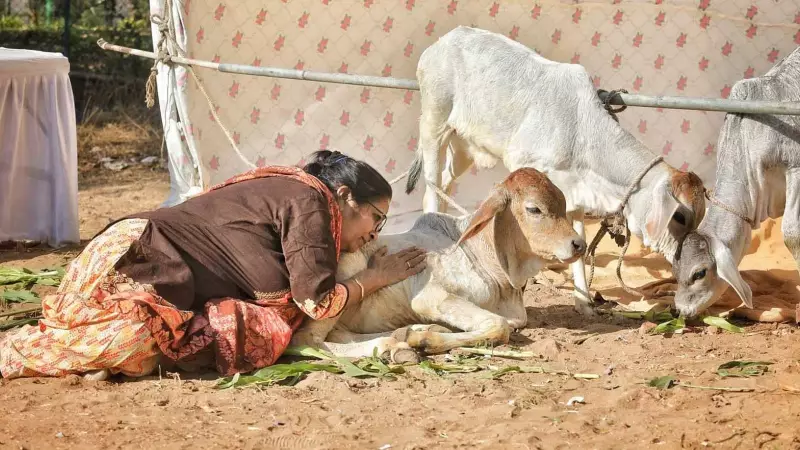
The project was launched in 2011 at the Nanaji Deshmukh Veterinary Science University in Jabalpur. Its core objective was to investigate Panchagavya – a traditional concoction made from cow dung, cow urine, milk, curd, and ghee – for its efficacy in treating serious illnesses like cancer. While university officials had initially sought funding of around Rs 8 crore, the state government sanctioned a sum of Rs 3.5 crore for the research endeavor.
The controversy erupted after a formal complaint prompted district authorities to act. The Divisional Commissioner ordered a detailed examination of the project's implementation. Subsequently, an investigation team was formed, headed by an Additional Collector, to scrutinize the spending patterns and outcomes of this long-running initiative.

Allegations of Inflated Costs and Questionable Expenses
The investigation team's report, now submitted to the Collector, highlights several areas of concern regarding financial management. According to sources familiar with the findings, a major point of contention is the expenditure on basic materials.
The probe alleges that between 2011 and 2018, approximately Rs 1.92 crore was spent on procuring items like cow dung, cow urine, storage vessels, raw materials, and machinery. Investigators claim that these items should have cost only Rs 15-20 lakh at prevailing market rates, indicating a massive inflation in costs.
Further, the report questions the necessity of 23 to 24 air trips undertaken by the university team to various cities for research purposes. Other expenditures flagged as non-essential to the research goals include:
- The purchase of a vehicle worth approximately Rs 7.5 lakh, which was not part of the original sanctioned estimate.
- Spending of over Rs 7.5 lakh on fuel and vehicle maintenance.
- Around Rs 3.5 lakh on labour payments.
- Approximately Rs 15 lakh on furniture and electronic equipment.
Additional Collector Raghuvar Maravi, who led the investigation, pointed out discrepancies. "Our investigation found the vehicles which were allegedly purchased were missing; there was also no mention of the trips taken in their estimate," he stated. He also noted that promised training for farmers was not clearly documented.
University's Defense and The Road Ahead
University officials have firmly rejected all allegations of impropriety. Registrar Dr S S Tomar defended the project, stating it has operated since 2012 with transparency and adherence to rules. "All purchases, whether machines or vehicles, were made through open tenders. Government rules have been followed; there has been no scam," Dr. Tomar asserted.
He emphasized that the university provided all necessary documents during the audit and investigation. Dr. Tomar also stressed the project's ongoing community work, saying, "We are still providing training to the youth and farmers," indicating that the initiative continues despite the controversy.
The investigation report is now set to be forwarded by the Collector to the Divisional Commissioner for review. The Commissioner will determine what further action, if any, is warranted based on the findings of financial irregularities in this high-profile alternative medicine research project.