

MSRDC's Rs 5.16 Crore Toll Refund Proposal Awaits PWD Approval in Pune
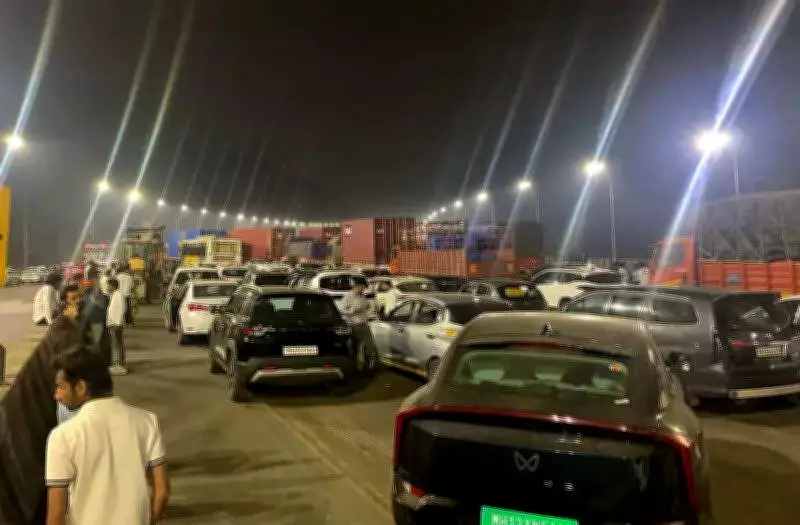
A proposal by the Maharashtra State Road Development Corporation (MSRDC) to refund Rs 5.16 crore in toll fees collected from approximately 1.20 lakh commuters remains pending with the public works department (PWD) for approval, senior MSRDC officials disclosed on Saturday. The refund initiative was announced following widespread protests by opposition leaders and activists after a severe 32-hour traffic standstill on the Mumbai–Pune Expressway on February 3.
Delays in Approval Process
Senior MSRDC officials confirmed that the proposal has been formally submitted to the parent department, the PWD, and is currently awaiting clearance. They attributed the delay to the legislative session held last month, which slowed down administrative processes. "The proposal was put up. However, due to the legislative session last month, there was a delay in approval. We should get the approval soon," the officials stated, expressing optimism about imminent resolution.
Background of the Traffic Disruption
The need for the refund stems from a major incident on February 3, when a propylene gas tanker overturned near Khopoli, blocking traffic towards Mumbai for nearly 32 hours. This disruption led to significant inconvenience for commuters, prompting MSRDC to assure affected individuals that it would initiate a refund process for tolls collected during the standstill. The toll charges in question include fees from both the Mumbai–Pune Expressway and NH-48, highlighting the scale of the impact.

Data Collection and Public Response
To facilitate the refund, MSRDC sought detailed data from its concessionaire, IRB Infrastructure, regarding FASTag deductions made despite instructions to suspend toll collection following the incident. This step was crucial to accurately identify eligible commuters and process reimbursements efficiently. However, the delay in approval has sparked frustration among citizens, who have been vocal on social media platforms demanding timely action.
An affected traveler expressed skepticism, noting, "The government announces that the process will be completed soon. Now, after two months, the proposal is not even cleared by the parent department. It is unlikely it will be reimbursed considering the funds crunch." This sentiment reflects growing concerns over potential financial constraints and bureaucratic hurdles.
Implications and Next Steps
The pending approval underscores challenges in administrative coordination between MSRDC and the PWD, potentially affecting public trust and commuter welfare. As officials await clearance, continued monitoring and public pressure may be key to expediting the process. The situation serves as a reminder of the importance of swift governmental responses to infrastructure-related disruptions, ensuring accountability and relief for affected citizens.






