Mumbai's BMC Election Season Sparks Illegal Liquor Trade Surge
Mumbai's political landscape is heating up as the Brihanmumbai Municipal Corporation (BMC) elections approach. A disturbing trend has emerged alongside the campaigning. Illegal liquor trade activities are experiencing a significant spike across the city. Enforcement agencies report a dramatic increase in related crimes and arrests during the first twelve days of January.
Sharp Rise in Offenses and Arrests
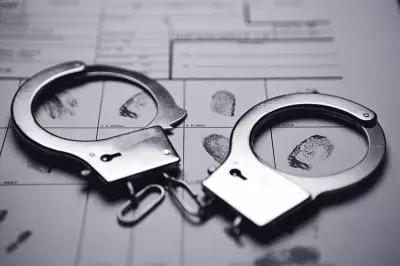
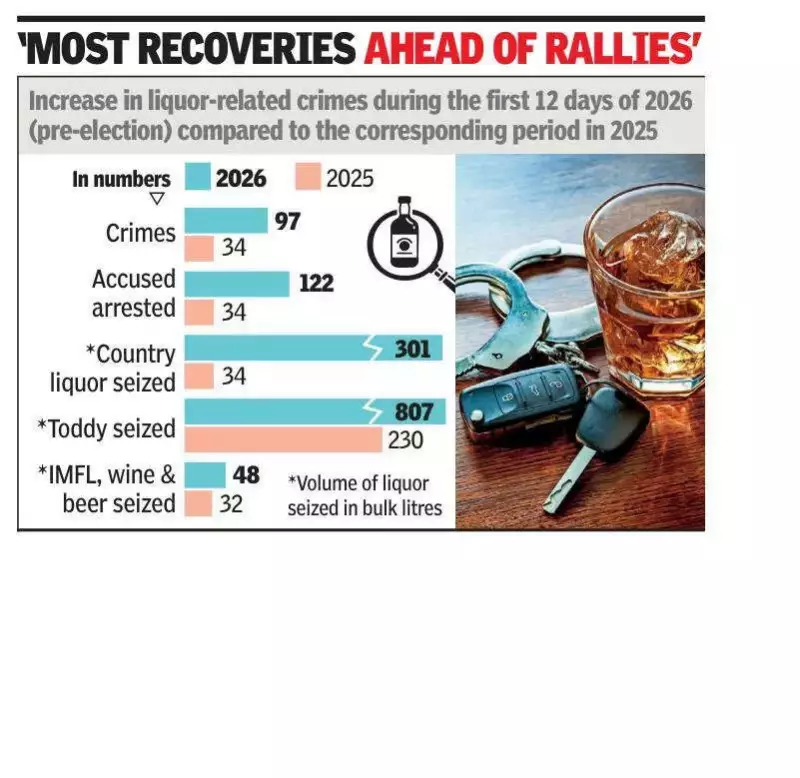
Official data reveals a troubling comparison. Between January 1st and 12th this year, Mumbai police registered 97 liquor-related offenses. This number stands in stark contrast to the 34 cases recorded during the same period last year. The enforcement crackdown has led to the arrest of 122 accused individuals so far this January. Last year, only 34 people were arrested in connection with similar crimes during these first twelve days.
Excise department officials confirm the trend. They directly link this surge to intense ground-level political campaigning. Despite strict election codes of conduct, alcohol remains a common tool for voter inducement, particularly in densely populated slum pockets.

Seizures Highlight Scale of the Problem
The volume of confiscated illicit liquor tells its own story. Authorities seized 301 bulk litres of country liquor in this election season. Country liquor is often the cheapest and most frequently distributed lure in slum clusters. This seizure amount dwarfs the 34 bulk litres confiscated in the first twelve days of January last year.
Other types of illicit alcohol also show increased activity. Toddy and Indian Made Foreign Liquor (IMFL) seizures have similarly spiked. A senior officer from the excise vigilance wing provided insight into the pattern. Most recoveries are connected to nighttime movements. These activities typically occur just ahead of local political meetings and campaign rallies.
Enforcement Efforts and Political Links
State excise officials acknowledge several factors behind the higher detection rates. Heightened surveillance, actionable tip-offs, and coordinated joint drives with various agencies have all played a role. However, they also admit the numbers reflect a genuine increase in the circulation of illegal liquor.
"Election periods invariably see a spike in illegal liquor movement," one officer stated. "Candidates and their intermediaries try to stock up in advance. Their goal is to avoid detection closer to the actual polling day."
The data paints a clear picture. Political operatives appear to be fueling demand for illicit alcohol as a means of mobilizing voter support. As the BMC election campaign intensifies, enforcement agencies are scrambling to keep pace with this unlawful trade. The situation underscores the ongoing challenge of maintaining fair electoral practices in Mumbai's complex urban environment.