Telangana's Musi River Rejuvenation Project Seeks Public Input Online
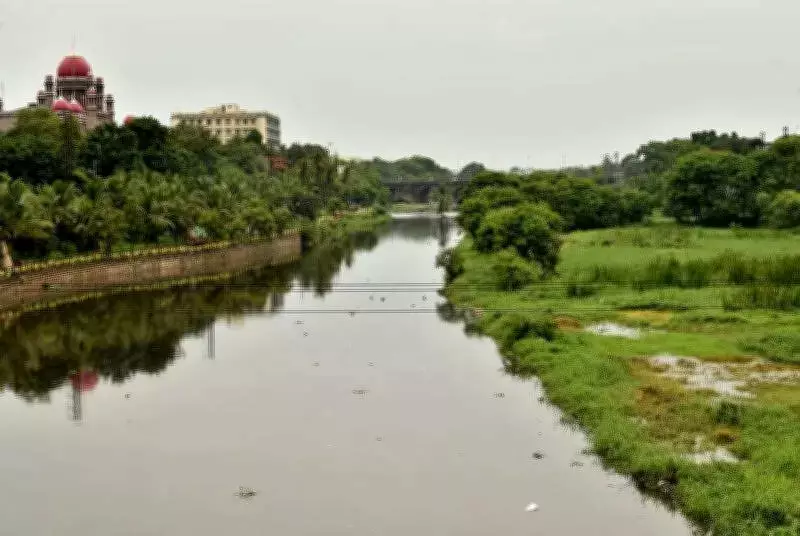
In a significant move towards democratic governance, Deputy Chief Minister Bhatti Vikramarka, who chairs the Musi project cabinet sub-committee, announced on Tuesday that the Telangana government is actively seeking public participation for the ambitious Musi River rejuvenation initiative. The administration has officially opened an online channel for citizens and stakeholders to submit their valuable suggestions and opinions.
Online Consultation Portal Activated
The government has established a dedicated email address—musirdc@gmail.com—to collect input from March 31 through April 15. This digital approach aims to facilitate broad participation from diverse segments of society, including environmental experts, local residents, and community organizations.
"All suggestions received online will be thoroughly analysed in consultation with officials, and the cabinet sub-committee members will directly engage in phased consultations with those who provide inputs," stated Bhatti Vikramarka during a press briefing. "The works will be carried out following a democratic process, ensuring transparency and public involvement at every stage."

High-Level Review Meeting Conducted
The deputy chief minister chaired a comprehensive review meeting at the secretariat alongside BC Welfare Minister Ponnam Prabhakar, who also serves as a member of the Musi cabinet sub-committee. The session focused on assessing the current progress of the river restoration project and strategizing future implementation steps.
During the meeting, officials highlighted the recent foundation stone laying ceremony for the Omkareshwara Temple, situated on the banks of the Musi River at Manchirevula, which took place on March 28. This development marks an important cultural and religious component of the broader rejuvenation effort.
Strategic Roadmap and Operational Guidelines
Bhatti Vikramarka issued clear instructions to departmental officials to prepare a detailed and comprehensive roadmap for Phases 1 and 2 of the Musi River project. He emphasized the need for efficient division of responsibilities among various agencies and departments involved in the massive undertaking.
The deputy CM outlined several critical areas requiring coordinated action, including:
- Coordination with defense authorities regarding lands adjacent to the river
- Consultation with families potentially displaced by project activities
- Finalization of construction designs and architectural plans
- Engagement with banking institutions for financial arrangements
Political Commitment and Administrative Support
Bhatti Vikramarka urged officials to recognize the strong commitment demonstrated by Chief Minister A. Revanth Reddy and the entire state cabinet towards the Musi River rejuvenation project. He described the initiative as potentially becoming "a milestone in their careers" for all involved administrators and policymakers.
"The Musi cabinet sub-committee members will be available round the clock to support officials with any suggestions or requirements," the deputy chief minister assured, highlighting the government's dedication to providing continuous administrative backing for the project's successful execution.
This public consultation initiative represents a crucial step in the Telangana government's approach to infrastructure development, combining technical planning with community engagement to ensure the Musi River rejuvenation project addresses both environmental concerns and public aspirations.