

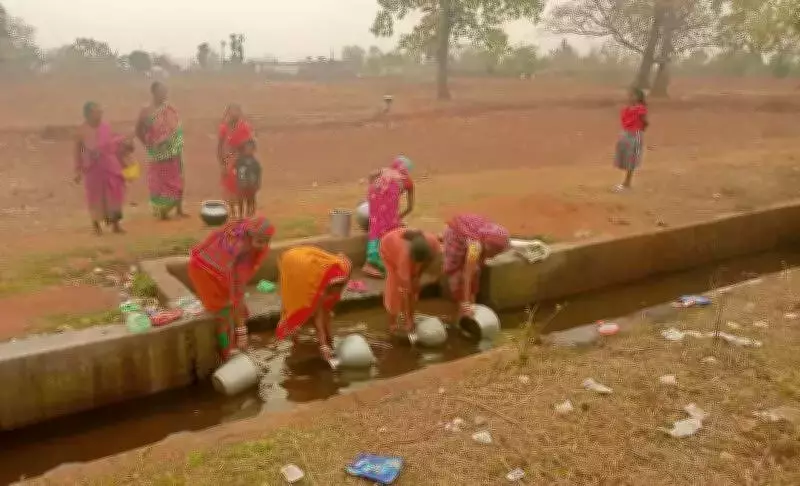
Mysuru Zilla Panchayat Flags 93 Villages as Drought-Vulnerable Ahead of Summer
The Mysuru zilla panchayat has proactively identified 93 villages across the district as drought-vulnerable in anticipation of the upcoming summer season. This strategic move aims to mitigate potential drinking water shortages and other related crises before they escalate.
Comprehensive Contingency Plans and Official Directives
Authorities have issued clear directions to officials to implement measures that will ease drinking water shortages, prepare contingency plans to tackle drought, take preventive actions, ensure smooth fodder supply, and handle any emergency situations effectively. The rural drinking water supply and sanitation division of the zilla panchayat has meticulously prepared a tentative list of these 93 villages, which are likely to face significant drinking water issues during the hot summer months.
Breakdown of Vulnerable Villages by Taluk
Among the 93 villages identified, the distribution across taluks is as follows:

- Periyapatna taluk leads with the highest number at 18 villages.
- T Narasipura taluk follows with 16 villages.
- Mysuru taluk has 13 villages.
- H D Kote taluk accounts for 12 villages.
- Nanjangud taluk includes 11 villages.
- Saligrama taluk has 10 villages.
- K R Nagar taluk lists 7 villages.
- Hunsur taluk identifies 4 villages.
- Saragur taluk rounds out the list with 2 villages.
Comparative Analysis and Data Collection
This year's list of 93 villages represents a decrease from last year's count of 103 villages. The current assessment was made after collecting detailed reports from 256 gram panchayat limits spanning all nine taluks within Mysuru district. Currently, the rural drinking water supply division provides water to these villages under multi-village drinking water schemes.
Proactive Measures to Combat Water Scarcity
In response to potential worsening conditions due to factors like groundwater depletion or failure of pre-monsoon showers, the zilla panchayat has directed all taluk panchayat executive officers and tahsildars to be prepared to hire private borewells near these villages and engage private tankers to address any drinking water crisis that may arise. Additionally, the district administration is readying itself to manage drinking water shortages in the limits of Mysuru City Corporation, three city municipal councils, each five town municipal councils, and town panchayat limits across the district.
Current Water Reservoir Levels and Projections
The Kabini reservoir currently has a water level of 2,268.1 feet, compared to its full capacity of 2,284 feet. Meanwhile, the Krishnarajasagar reservoir stands at 110 feet against a maximum of 124.8 feet. These two reservoirs are the primary water sources for Mysuru district. Officials from the Cauvery Neeravari Nigam have assured that the available water storage in these reservoirs is sufficient to ensure drinking water supply until the end of June.
Official Statements and Quality Assurance
Ramaswamy, the executive engineer of the ZP rural drinking water supply and sanitation wing, stated that there are currently no drinking water problems in any villages within the district. However, the list of 93 drought-prone villages has been prepared as a precautionary measure, with all necessary steps in place to tackle any potential deterioration in the drinking water situation in the coming months.
Directions have also been given to all panchayat development officers to conduct daily tests on drinking water quality in all villages and to ensure the safe release of water. S Ukesh Kumar, CEO of the zilla panchayat, emphasized in a meeting with officers that tackling the drinking water crisis during summer should be given utmost priority. He also highlighted the resolution of issues such as damaged drinking water pipelines and other disruptions, noting that villages like Hadidanur Mole, Biligere, and Kupparavalli, which previously faced water crises in the CM's constituency, have now been addressed.






