Mysuru Launches Monthly Vehicle-Free Initiative on Devraj Urs Road
In a significant move to promote sustainable urban mobility and public health, the Mysuru City Corporation (MCC) has announced that Devraj Urs Road will be designated as a vehicle-free zone for three hours on the first and fourth Sunday of every month. This innovative initiative aims to encourage cycling, walking, and community engagement while reducing traffic congestion and pollution in the historic city.
Commissioner Leads by Example with Inaugural Cycle Ride
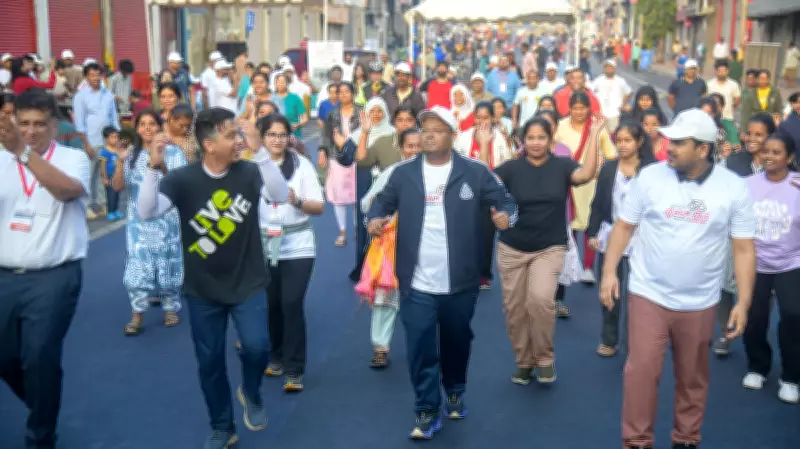
MCC Commissioner Shaikh Tanveer Sait officially launched the program on Sunday morning by personally pedaling a bicycle from his residence to Devraj Urs Road. His participation underscored the city's commitment to leading by example and fostering a culture of active transportation. The event drew attention from local residents and officials, highlighting the growing emphasis on eco-friendly urban planning in Karnataka.
Details of the Vehicle-Free Hours and Implementation
The vehicle-free period will be strictly enforced from 6:00 AM to 9:00 AM on the designated Sundays, allowing pedestrians and cyclists to safely utilize the road without interference from motor vehicles. This timing is strategically chosen to coincide with morning hours when traffic is typically lighter, minimizing disruption while maximizing benefits for recreational and commuter cyclists.

- Promoting physical fitness and wellness through increased cycling and walking.
- Reducing carbon emissions and improving air quality in Mysuru.
- Enhancing road safety for non-motorized transport users.
- Encouraging community interaction and public space utilization.
Broader Implications for Urban Development in Karnataka
This move aligns with broader state and national efforts to develop smarter, more sustainable cities. By periodically restricting vehicle access, Mysuru sets a precedent for other urban centers in Karnataka to adopt similar measures. The initiative reflects a shift towards prioritizing people-centric urban design over car-centric infrastructure, potentially inspiring future policies focused on pedestrian zones and cycling networks.
Local authorities have indicated that the success of this pilot program could lead to its expansion to other roads or an increase in frequency, depending on public response and logistical feasibility.Residents and visitors are encouraged to participate actively, using the vehicle-free hours for exercise, leisure, or commuting. The MCC plans to monitor the initiative closely, gathering feedback to optimize its implementation and ensure it meets the community's needs while advancing environmental and health goals.