As the clock ticks down to the final phase of campaigning, the civic elections in Nagpur have plunged into a state of unprecedented unpredictability. With just six days remaining before the campaign concludes and the city heads to the polls on January 15, the traditional political playbook has been thrown out the window. Instead of clear-cut battles between rival parties, key wards are witnessing extraordinary political partnerships, where official candidates are openly sharing stages and campaign trails with the very rebels they were supposed to fight.
Shiv Sena's Bastion Sees Internal Collapse
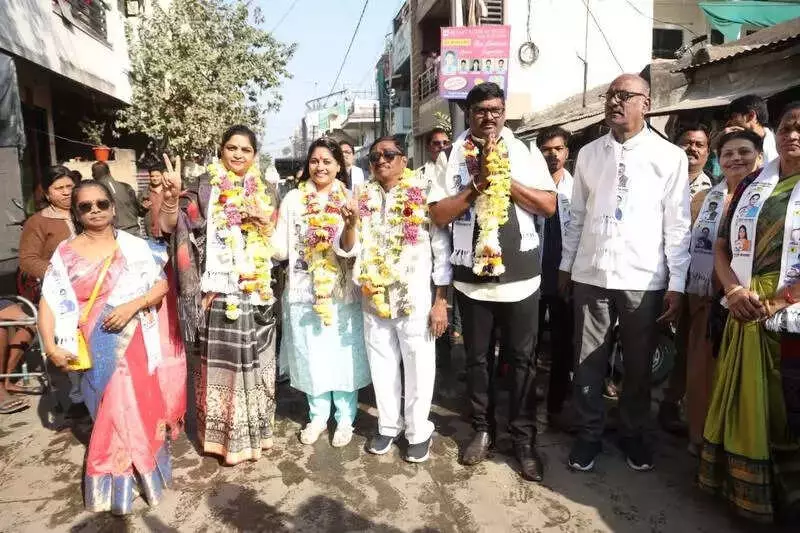
The most glaring example of this breakdown in party discipline is unfolding in Ward 28, long considered a stronghold of the Shiv Sena (Uddhav Balasaheb Thackeray). Here, the party's official candidate, Mangala Gaware, and a party rebel, Nitin Tiwari, have virtually merged their campaigns. They move around together, distribute joint pamphlets, and appeal to voters as a unified panel, despite technically being on opposite sides of the contest.
For local residents, the message is straightforward: vote for both. For the Shiv Sena UBT, however, this public partnership is a stark admission that internal discipline has collapsed. Party workers are confused and divided, forced to balance their loyalties while witnessing one mashal (the party's flaming torch symbol) effectively pitched against another. The priority on the ground has shifted; defeating 'outsiders' is now seen as more critical than adhering to the official party line, a sentiment threatening to burn through Sena's strongest bastion.

Cross-Party Rebellion Gains Momentum
A similar script, but with a different cast, is playing out in Prabhag 31. This time, it is rebels from the BJP and Congress who have joined forces. Denied tickets and angered by being overlooked, leaders from both national parties have come together to form a 'parivartan' (change) panel.
BJP rebel Sachin Kamble and Sonali Ghodmare have teamed up with Congress veterans, including former standing committee chairman Vijay Babre and grassroots leader Pooja Manmode. This cross-party alliance operates as a coordinated team, pooling workers, sharing expenses, and addressing voters together. Their central pitch is that local leadership has been ignored and must now assert itself.
Their street-corner meetings draw mixed crowds of disaffected BJP and Congress loyalists. Campaign literature deliberately avoids traditional party colours, stressing themes of 'self-respect' and 'bahujan representation'. Door-knocking schedules are jointly drawn, and volunteers report receiving substantial support from disillusioned party voters as well as independents.
Local Deals Trump Party Loyalty
Taken together, the Sena UBT-backed panel in Ward 28 and the cross-party panel in Prabhag 31 encapsulate the new, defiant mood of this election. Campaigns are becoming less about party ideologies and manifestos and more about hyper-local deals and personal equations. The very fabric of party command is fraying at the street level.
With January 15 approaching rapidly, senior leaders from all involved parties may still attempt last-minute maneuvers to enforce discipline. However, on the streets of Nagpur, where campaign vehicles now bear photographs of both official and rebel candidates, and public meetings blend party symbols with rebel faces, it is abundantly clear that the campaign has moved far beyond the control of the high commands. The outcome now hinges on these unconventional alliances and the voters' response to this new brand of politics.