A fresh wave of young political aspirants is entering the fray for the Nagpur Municipal Corporation (NMC) elections, bringing with them a sharp focus on fundamental civic issues and a hybrid campaign strategy. Their agenda is firmly rooted in the everyday concerns of residents: better roads, reliable water supply, improved sanitation, enhanced safety, and accessible public spaces. This marks a significant shift in a city once known for producing one of India's youngest mayors, Devendra Fadnavis, and their attempt to reshape local governance is being closely monitored across several prabhags (wards).
The Youth Agenda: From Education to Green Cover
Congress candidate from Prabhag 14D, Abhijeet Jha, an engineer by profession, expressed his commitment to learning and his gratitude for public support. He highlighted that NMC schools in the Gittikhadan–Telangkhedi area primarily serve students from slum pockets and lower middle-class families, making quality education a critical priority for the next generation. Jha also pointed out a glaring gap in environmental planning. He stated that the area's so-called 'green lungs' are merely nominal, stressing an urgent need for genuine expansion of green cover through thoughtfully designed gardens and parks, including facilities like the Nana-Nani Park. "While development is necessary, it must be sustainable and sensitive to local needs," Jha emphasized.
Citizen Groups Transition from Advocacy to Candidacy
This issues-first approach is also motivating citizen advocacy groups to take the electoral plunge. One notable example is Ninad Dixit (23), a co-founder of the Nagrik Samiti in Ward 22, who is contesting on a Forward Bloc ticket. Dixit claimed that despite the ward being represented by four BJP corporators previously, the expected level of development never materialized. His decision to run, he explained, emerged from a sustained, citizen-driven process. "For the last two to three months, we formed a group named Nagrik Samiti. Even before discussing candidature, we first decided on the issues that affect people here," said Dixit. The committee initially identified seven core civic problems and later finalized a comprehensive 9-point manifesto after wider community consultation.

Sports infrastructure is a cornerstone of their manifesto. Dixit lamented the lack of proper grounds, noting that children lack quality training facilities within a 2-km radius. "We want to create structured sports training centres for youth," he asserted. Their plan also includes:
- Upgrading the drainage systems to prevent waterlogging.
- Establishing a competitive, modern library that functions 24/7.
- Equipping the library with Wi-Fi and essential study infrastructure for students preparing for competitive exams.
Blending Doorstep Outreach with Digital Strategy
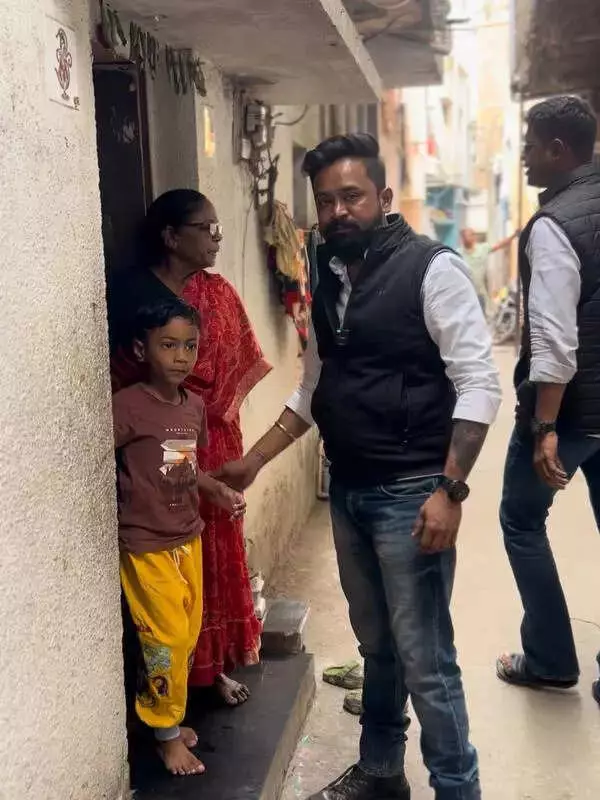
Despite belonging to a digitally native generation, these young politicians are emphasizing traditional, on-ground campaigning to forge personal connections. Yash Gourkhede (30), founder and president of the Jan Badlav Party, explained that his team prioritizes door-to-door outreach to build a "direct human connection" with voters. He observed that many young campaigners view canvassing not just as vote-seeking but as a responsibility to foster electoral awareness.
"Our team uses home visits to explain the roles and responsibilities of MLAs, MPs, corporators and other elected representatives, besides sharing information on the NMC budget and how public funds are spent," Gourkhede said. He clarified that social media is strategically used as a bridge for meaningful engagement rather than merely for generating online traction. Through these interactions, long-pending basic issues like clean water, good roads, and public safety are being flagged for immediate attention.
Across Nagpur's prabhags, the common theme is a concerted push to make the civic elections a referendum on everyday service delivery. These young candidates are leveraging youth networks, active resident groups, and direct voter contact to transform their grassroots message into tangible electoral support, signaling a potential transformation in the city's political landscape.