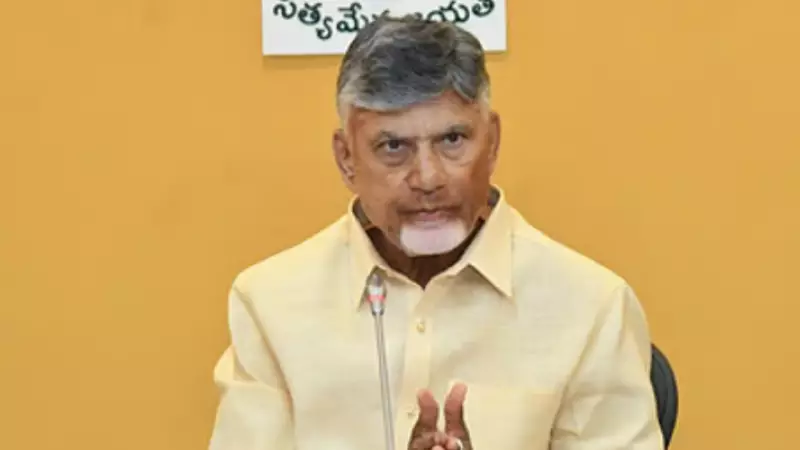
Andhra Pradesh Chief Minister Nara Chandrababu Naidu has made a strong appeal for unity and cooperation between the Telugu-speaking states, putting aside political differences to tackle critical water resource challenges. He delivered this message during his address at the 3rd World Telugu Conference, held in Guntur.
A Plea for Cooperation Over Conflict
The Chief Minister stressed that political disagreements should not escalate into hostility, especially on matters of vital importance like water security. He directly appealed for a collaborative approach between Andhra Pradesh and the neighboring state of Telangana. Naidu underscored that unity among Telugu people is fundamental not just for resource management, but for the overall progress of the Telugu language and the wider community.
The Vision of River Interlinking
Central to Naidu's address was the issue of managing the region's major rivers. He pointed out a significant waste of resources, noting that huge quantities of water from the Godavari and Krishna rivers flow into the sea unused every year. He presented river interlinking as the definitive solution to this problem and to India's persistent water scarcity issues.

The Chief Minister specifically highlighted projects like the Polavaram project and the Krishna-Godavari linkage as key initiatives that can harness this wasted potential. According to him, these ambitious engineering projects are designed to redirect water to arid regions, ensuring better distribution and utilization for agriculture, drinking water, and industry.
Implications for Regional Development
Naidu's speech framed water security as a cornerstone for sustainable development. By advocating for technical solutions like interlinking over political disputes, he positioned the issue as a matter of practical necessity for both states' futures. The call for unity at an international forum like the World Telugu Conference adds significant weight to his argument, aiming to garner public and cultural support for a collaborative technical approach to shared natural resources.
The emphasis on moving beyond partisan politics to secure a basic resource like water presents a clear path forward. The success of projects such as Polavaram hinges on such cooperation, promising to address water deficits and foster long-term economic and agricultural stability for the entire Telugu region.